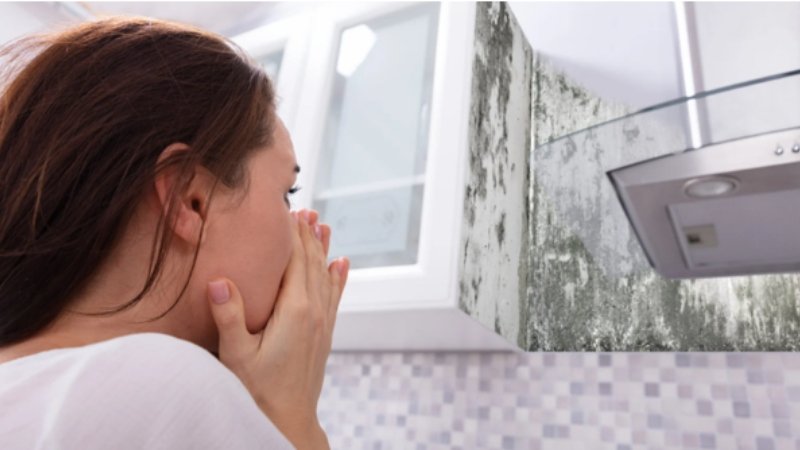
Mold growth in homes is a serious concern that affects both structural integrity and indoor air quality. It can spread quickly through moisture-rich areas, contaminating walls, flooring, and ventilation systems. Engaging professional services, such as mold removal in Atlanta, ensures that contamination is handled thoroughly, eliminating spores from hidden surfaces and preventing future outbreaks. Homeowners who invest in expert remediation protect not only their property but also their family’s respiratory health.
Understanding the Importance of Professional Mold Removal
Mold is more than an aesthetic issue; it’s a biological problem that compromises air quality and property value. When left untreated, spores multiply, triggering allergic reactions, fatigue, and persistent odors. Professionals address the underlying moisture sources and use specialized tools to safely contain and eliminate mold.
Homeowners often underestimate the extent of contamination. Mold can infiltrate drywall, insulation, and subflooring, making visible cleaning insufficient. Professional removal guarantees a deeper treatment process designed to restore indoor conditions to a safe and habitable state.
Key Factors to Consider When Choosing a Mold Removal Service
Selecting the right service provider is essential to achieving lasting results. A qualified team should offer comprehensive inspections, transparent pricing, and certifications that ensure compliance with industry standards. Experience also matters; technicians familiar with complex cases can identify hidden growth areas that others might overlook.
Advanced equipment, such as HEPA filtration and moisture meters, distinguishes professionals from general contractors. These tools ensure thorough detection, containment, and purification of contaminated air. A reliable company should also provide post-remediation testing to verify that spore levels meet acceptable standards.
The Process of Mold Remediation
Professional removal is not a single-step cleaning effort but a structured process. Specialists first identify affected zones, isolate them, and establish negative air pressure to prevent cross-contamination. Once the area is secure, they physically remove mold-infested materials and apply antimicrobial treatments that inhibit regrowth.
Understanding the steps professionals take to remove mold from crawl spaces reveals the precision required in remediation. Crawl spaces are particularly vulnerable due to poor ventilation and high humidity. Proper treatment in such areas prevents mold from migrating into the living environment through flooring or ductwork. Each phase, from containment to restoration, requires expertise and regulated methods. This ensures that mold is eradicated at the source and does not return after treatment is complete.
Common Mistakes Homeowners Should Avoid
Choosing based solely on cost often leads to incomplete or temporary results. Low-priced services may skip critical testing or use ineffective cleaning agents, leaving residual spores that quickly resurface. It’s crucial to prioritize quality, certification, and detailed procedures over short-term savings.
Additionally, neglecting to address the moisture source guarantees recurrence. Professional remediation includes identifying leaks, drainage issues, or humidity imbalances that contribute to mold proliferation. Addressing these root causes is the only way to ensure permanent protection.
Maintaining a Mold-Free Home After Remediation
After the removal process, maintaining optimal indoor conditions is vital. Regular HVAC maintenance, humidity control, and prompt leak repairs reduce the likelihood of regrowth. Air purifiers equipped with HEPA filters can also help sustain cleaner air circulation.
Homeowners should schedule periodic inspections, especially in high-risk areas like basements and attics. These preventive checks detect early signs of mold activity before it becomes widespread. With consistent maintenance, properties remain safer and healthier for occupants year-round.
Conclusion
Mold removal requires more than surface cleaning; it demands precision, experience, and preventive measures. Selecting a professional service ensures that every stage, from detection to final air testing, is executed correctly. Homeowners who take this proactive approach protect their investment, preserve air quality, and maintain the long-term safety of their living spaces. Click here for more information.