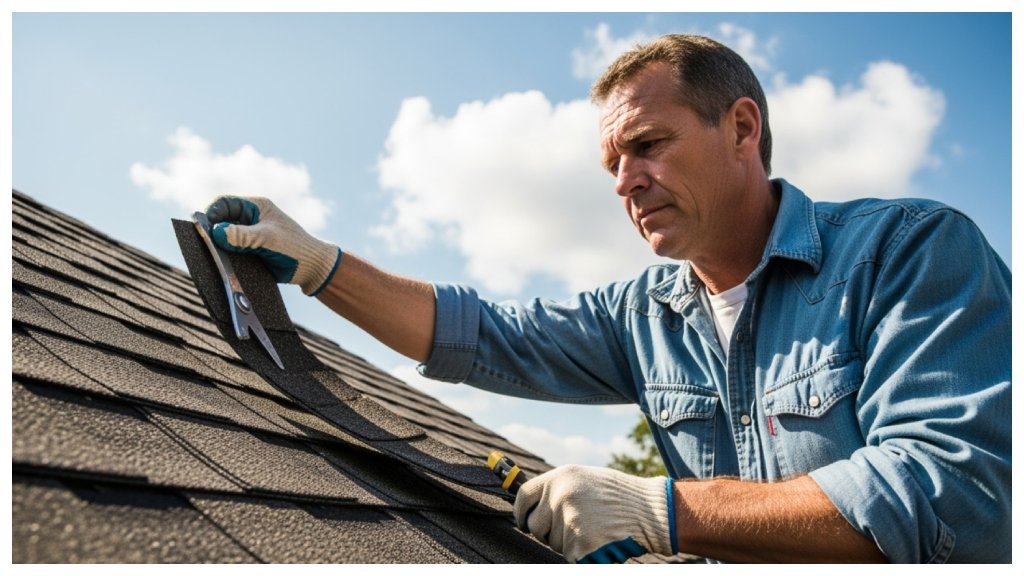
Loose roof shingles present a significant threat to a home’s structural integrity and weatherproofing capabilities. Even minor movement in shingles can allow moisture infiltration, leading to mold growth, insulation damage, and compromised decking. Professionals rely on keen observation and systematic assessment to address these concerns efficiently.
Experienced contractors can accurately replace loose roof shingles, combining technical expertise with proven methods to prevent further deterioration. They evaluate the root causes, inspect attachment points, and ensure repairs align with safety and durability standards. This article examines how roofing experts detect issues and provide maintenance strategies for lasting results.
Identify Early Signs of Loose Shingles
Professionals begin by inspecting the roof surface for visual indications of movement or wear. Curling, cracked edges, and lifted corners signal weakened attachment to the underlying decking. Wind-driven lifting can cause shingles to shift slightly, exposing nails or fasteners. Granule loss is another indicator that surfaces are losing their protective layer.
Roofers also perform tactile tests, gently pressing shingles to detect looseness that may not be visible from the ground. Binoculars are used to assess distant areas for misalignment or unusual gaps. Observations extend to flashing, ridge caps, and edges where shingles may be compromised.
Root Causes and Contributing Factors
Several factors contribute to shingles loosening over time, and professionals consider each carefully. High winds can lift improperly fastened shingles or exacerbate existing wear. Temperature fluctuations cause expansion and contraction, weakening adhesive bonds and nails. Moisture penetration can rot decking, reducing support for shingles.
Technicians also examine roof history to determine previous storms or age-related wear. Structural irregularities such as warped decking or uneven surfaces may compromise the attachment. Repeated freeze-thaw cycles intensify damage in colder climates.
Repair Methods Employed by Professionals
Once shingles are identified as loose, roofing specialists determine the optimal repair approach. Replacement involves carefully removing affected shingles without damaging neighboring sections. Re-nailing or adhesive reinforcement ensures secure attachment, restoring protective coverage.
For minor lifting, fasteners may be repositioned and sealed to maintain water resistance. Technicians also inspect the surroundings to prevent hidden damage from spreading. Each repair step is executed with precision to extend the roof’s lifespan. Repair methods are selected based on severity and roof design.
Assessment of Surrounding Damage
Loose shingles can compromise adjacent areas, requiring thorough evaluation by professionals. Inspection of valleys, gutters, and roof transitions ensures no hidden leaks exist. Water intrusion may have weakened the decking or compromised insulation beneath it.
Technicians also examine granule accumulation in gutters, which indicates areas of wear. Edges and corners are checked for curling or gaps that could worsen over time. Flashing joints receive careful attention to prevent water penetration. Documentation of findings supports follow-up maintenance and verification.
Maintenance and Prevention Strategies
Professional maintenance prevents future shingle loosening and extends roof life. Regular inspections detect early signs of wear, granule loss, or lifting. Cleaning debris and clearing gutters helps avoid water accumulation around vulnerable areas. Timely resealing of flashing and joints strengthens protection against wind-driven rain.
Preventative measures also include applying protective coatings and ensuring fasteners remain secure. Experienced contractors provide recommendations based on roof slope, material type, and local weather patterns. Proactive attention to high-stress areas minimizes damage from future storms.
Professional inspection, root cause analysis, precise repairs, thorough assessment, and consistent maintenance are essential to replace loose roof shingles effectively. These techniques ensure that repaired areas remain durable, water-resistant, and structurally sound for years. Skilled professionals combine expertise with careful evaluation to maintain roof performance. Strategic replacement and reinforcement strengthen vulnerable areas against future storms. Click here for more information.