Think back to how kitchens used to be. Hidden behind walls. Separated from the action. The cook stuck in isolation while life happened elsewhere. That era’s over. Contemporary homes prioritize connection, and open kitchen design ideas deliver exactly that, merging cooking zones with dining and living areas into unified spaces.
Want a space that naturally draws everyone together? Here’s something worth knowing: homeowners investing in open concept renovations typically see property values jump by roughly 10-15%.
Let’s dig into how you can turn your boxed-in, isolated kitchen into a flowing, highly functional living environment.
The Open Kitchen Revolution: Understanding Modern Open Concept Living
Open kitchens have genuinely reshaped how we interact with our homes. Moving from rigid boundaries to seamless living areas mirrors how our daily routines have evolved.
The reasoning behind expansive spaces? Pretty straightforward, actually. Tear down walls, and you tear down barriers between people. You can supervise homework while stirring pasta. Hosts stay in the conversation instead of missing everything while fetching appetizers.
Sunlight travels unobstructed through innovative open kitchen designs, which makes everything seem more spacious and welcoming. Notice how afternoon light from those living room windows can eliminate the need for kitchen overheads? That’s the beauty of continuity.
Multi-generational households have accelerated this movement too. Grandparents, parents, kids, everyone occupies shared territory while doing their own thing. Together but not on top of each other.
Creating Zone Definition Without Building Walls
Establishing distinct areas minus physical barriers demands some creative thinking. You can mark territories while preserving that open atmosphere everyone wants.
1. Using Furniture as Strategic Dividers
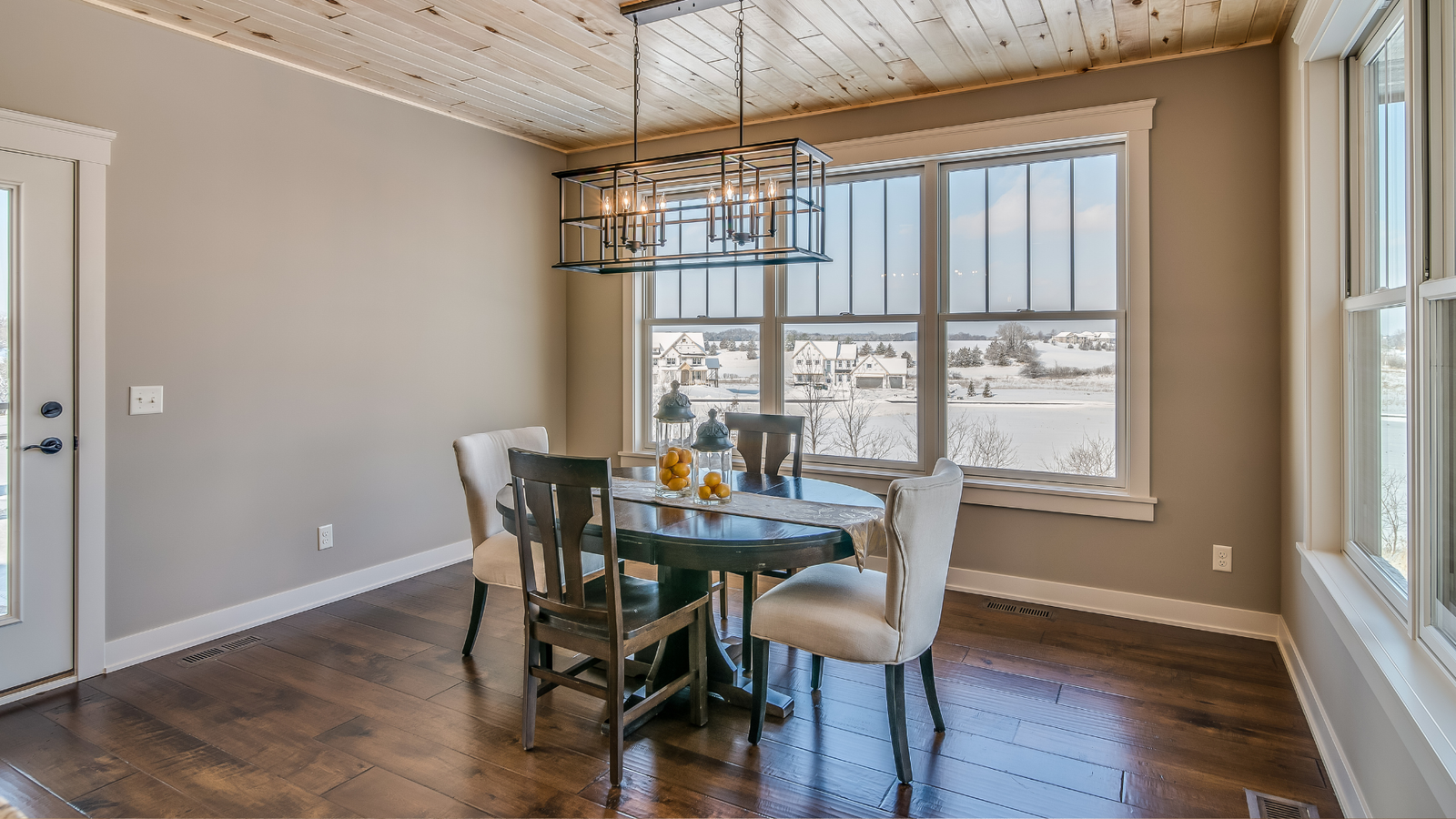
Your furniture works overtime in open floor plans. A strategically placed sofa naturally separates lounging from eating zones. Want a defined dining area that doesn’t block views? Try a glass dining table set for 4. It establishes a clear eating space while its see-through design maintains those precious sight lines and overall airiness.
Kitchen islands create organic borders between cooking and socializing. They form gentle barriers keeping guests from wandering into work zones while offering counter seating for laid-back chats. Watch them become your home’s social hub.
Area rugs communicate boundaries through texture and color. Drop one beneath your dining table, another under the living room furniture. Your brain instantly registers separate zones despite zero walls.
2. Ceiling and Floor Transitions That Guide the Eye
Architectural details create psychological boundaries your mind picks up on automatically. Ceiling features like exposed beams or boxed sections signal transitions without interrupting flow. Lower the ceiling height slightly above your dining space, and boom, you’ve established definition through vertical variation.
Floor changes work the same way. Transition from kitchen tile to living room hardwood, or alternate tile patterns. These material shifts communicate where spaces begin and end.
Wall color blocking delivers visual separation too. Paint kitchen walls a shade that coordinates with but differs from your living room hue. That subtle contrast defines areas while keeping everything visually connected.
Lighting Strategies for Open Concept Kitchen Remodel
Smart lighting elevates an open concept kitchen remodel from acceptable to outstanding. You’ll need several layers collaborating to generate appropriate moods for various activities.
3. Layering Task, Ambient, and Accent Lighting
Task lighting targets work surfaces where you need sharp, bright illumination. Under-cabinet LED strips light up counters for chopping and mixing. Pendant fixtures above islands deliver concentrated light for cooking or helping with homework.
Ambient lighting handles general illumination across your entire open space. Recessed ceiling fixtures or track systems can dial brightness up or down based on time or activity. Install dimmers on absolutely everything, trust me on this one.
Accent lighting injects character and visual interest. Spotlight architectural elements or display areas with directed beams. These finishing touches make your space feel intentionally designed rather than just functional.
4. Smart Lighting Systems for Modern Living
Smart technology puts total control in your pocket. Create custom scenes for meal prep, dining, parties, or movie nights. Lights adjust automatically without flipping switches.
Color temperature deserves more attention than it gets. Cooler light (4000K-5000K) excels in task zones, while warmer tones (2700K-3000K) generate inviting vibes in social areas. Smart bulbs let you tweak both intensity and warmth as the day progresses.
Storage Solutions That Maintain Clean Lines
Modern open plan kitchen layouts require ingenious storage because everything’s exposed now. You can’t stash clutter behind cabinet doors and forget about it.
5. Concealed Cabinet Systems
Floor-to-ceiling cabinets exploit vertical real estate while concealing kitchen necessities. Select panel-ready appliances that vanish into your cabinetry. When the dishwasher and refrigerator disappear behind matching doors, everything looks polished and deliberate.
Toe-kick drawers capture that normally wasted space below base cabinets. Perfect for flat items like sheet pans or cutting boards. Every square inch matters when maintaining uncluttered aesthetics.
Pull-out pantries hide behind slim cabinet doors, exposing organized storage for staples and seasonings. Appliance garages keep coffee makers and toasters available but invisible when idle. These approaches prevent countertop chaos that makes open kitchens feel disorganized.
6. Multi-Functional Island Features
Islands can house hidden compartments, slide-out trash bins, even charging stations. The National Kitchen and Bath Association reports that roughly 70% of kitchen renovations now incorporate islands with integrated storage features. Design yours with deep drawers for cookware instead of traditional cabinets, access becomes infinitely easier.
Magnetic strips and utensil rails organize tools vertically. Mount them inside cabinet doors or on island sides. This strategy maintains clear surfaces while keeping essentials nearby.
Acoustic Considerations for Open Spaces
Sound control frequently gets ignored until you’re dealing with the consequences. Hard surfaces combined with open layouts amplify noise dramatically.
8. Sound-Absorbing Materials Disguised as Design
Acoustic ceiling panels now come in appealing designs that look purposeful rather than purely functional. Install them in kitchen zones to muffle cooking noise. The difference is remarkable.
Soft furnishings naturally absorb sound throughout open areas. Upholstered dining chairs, fabric window coverings, decorative pillows, all contribute to noise reduction. Cork flooring or sound-dampening underlayment helps considerably, particularly in active kitchens.
Placement strategy counts. Position sound-absorbing elements where noise originates, near appliances, dishwashers, high-traffic routes. You’ll notice immediate improvement when multiple conversations overlap.
9. Technology Solutions for Noise Control
White noise systems or subtle background music can mask kitchen sounds without becoming intrusive. They generate pleasant ambient soundscapes that make spaces feel unified instead of echo-prone.
Range hoods featuring quieter motors justify the extra cost. Contemporary designs incorporate noise-reduction engineering that maintains exhaust efficiency while minimizing auditory disruption. Guests won’t need to yell over your ventilation anymore.
Material Choices That Create Visual Flow
Material consistency unifies your open space. You’re not matching everything identically, you’re building harmony through deliberate coordination.
10. Flooring Continuity Across Zones
Extending identical flooring throughout open areas generates visual continuity. Your eye glides smoothly from kitchen to dining to living without jarring breaks. This technique makes spaces appear larger and more unified.
If you prefer material diversity, maintain complementary tones. Light oak in the kitchen should coordinate with similar warmth nearby. Skip dramatic color leaps that fragment your design.
11. Coordinated Color Palettes and Finishes
Select a neutral foundation for major elements, then introduce accent colors through accessories and smaller details. White or gray cabinetry pairs beautifully with wood accents and metallic touches.
Hardware and fixture finishes should relate to each other. Brushed nickel kitchen faucets? Carry that finish into adjacent lighting and cabinet hardware. These minor consistencies create refinement and intentionality.
Final Thoughts on Transforming Your Kitchen Space
Open kitchen layouts have fundamentally altered how we utilize our homes, generating spaces that promote connection and dialogue. Whether you’re orchestrating a full open concept kitchen remodel or implementing smaller modifications to enhance flow, the fundamentals stay consistent, define zones deliberately, control sight lines strategically, and select materials that build cohesion.
Begin with one or two ideas addressing your most pressing challenges, then expand gradually. The most effective open kitchens mirror how you genuinely live, not merely how design publications suggest you should.
Your Questions About Open Kitchen Design Answered
Can small homes benefit from open kitchen concepts?
Without question! Eliminating walls in compact spaces actually expands how they feel. The secret is meticulous planning ensuring each zone serves a distinct function without generating clutter or confusion within limited square footage.
How do I manage cooking odors in open layouts?
Purchase a robust range hood that exhausts outside instead of recirculating air. Target minimum 300 CFM ventilation capacity. Running it during cooking stops odors from migrating throughout living areas effectively.
What’s the best way to hide kitchen messes in open concepts?
Add strategic screening via partial walls, decorative columns, or tall shelving units. These features obstruct direct sight lines to sinks and prep zones while preserving overall openness and visual flow throughout the area.