Key Highlights
- Choosing the right boat anchor begins with understanding your vessel’s size and your typical boating conditions.
- Different anchor types, such as fluke, claw, and plow anchors, offer varying performance in sand, mud, or rock.
- Selecting the correct anchor size is crucial for ensuring adequate holding power and safety on the water.
- Anchor materials like galvanised and stainless steel provide different levels of durability and corrosion resistance.
- Don’t forget essential anchor accessories, including the correct rope, chain, and bow roller for a complete setup.
- Considering all-terrain anchor options can provide versatility across a variety of seabeds.
Introduction
G’day, boaties! Choosing the perfect boat anchor can feel like a tough gig, with so many options on the market. From different anchor types to a wide range of boat accessories, how do you know you’re making the right choice for your vessel? A reliable anchor isn’t just a piece of equipment; it’s your key to safely enjoying those stunning Australian waterways. This guide will walk you through everything you need to know, making your next purchase a breeze.
Your 10-Step Guide to Buying Boat Products from Savwinch
Buying a boat anchor shouldn’t be a guessing game. To find the right anchor, you need a clear process that covers everything from your boat’s specifics to the seabeds you’ll be exploring. This 10-step guide is designed to simplify your search for high-quality boat anchors and accessories in Australia.
We’ll help you understand how to choose the right anchor size, compare materials, and select the perfect anchor kit for your needs. Following these steps will give you the confidence that you’re investing in gear that will keep you secure, no matter where your adventures take you.
1. Identify Your Boating Needs and Vessel Type
First things first, take a good look at your boat and how you use it. The boat size is the most critical factor in choosing the right type of anchor. Are you in command of a small boat for zipping around the bay, or do you have a larger vessel built for open water cruising? The requirements for small boats are vastly different from those for large boats.
Think about the kind of boating you do. Are you mostly fishing in shallow estuaries, or are you dropping anchor overnight in deep, exposed anchorages? Your activities determine the level of holding power you’ll need. Most boat manufacturers have recommendations, but your personal usage is just as important.
Understanding these basics is the foundation for every other decision. Before you even think about anchor models or materials, having a clear picture of your vessel—from its length and weight to its intended use—will narrow down your options significantly and point you toward a safe and suitable choice.
2. Research Essential Boat Products for Australian Waters
Now that you know your vessel’s needs, it’s time to research which boat anchor and accessories are best suited for Australian conditions. Our waters are incredibly diverse, from the sandy bottoms of Queensland’s coastlines to the rocky seabeds in parts of Western Australia. The right anchor for one spot might not be the best for another.
Look for products designed to handle these varied environments. For most recreational boaters, a plough or claw-style anchor offers a great balance of performance and reliability across different seabeds. Consider what comes in an anchor kit, as it often bundles the essentials.
Key products to research include:
- The boat anchor itself: Which type best suits your primary boating locations?
- Anchor rode (chain and rope): This connects your anchor to the boat and is crucial for a secure hold.
- Bow roller: This accessory protects your boat’s hull during anchor deployment and retrieval.
3. Compare Anchor Types for Local Water Conditions
Different anchor types are engineered for specific seabeds. A fluke anchor, for example, is a top performer in sand and mud but struggles on rocky bottoms. Understanding these differences is key to ensuring your anchor has reliable holding power when you need it most.
For boaters who frequent rocky or reef areas, a grapnel anchor might be a good secondary option, as it’s designed to hook onto structures. Meanwhile, a mushroom anchor is typically used for permanent moorings or very small craft on soft bottoms due to its suction-based design. The plow anchor is a very popular anchor choice for its versatility.
Here’s a quick comparison of common anchor types to help you decide:
| Anchor Type | Best For | Less Effective In |
| Plow/Wing Anchor | Most conditions, especially sand and mud. | Hard rock, where it may struggle to dig in. |
| Claw Anchor | Most seabeds include mud, sand, and rock. | Hard clay or very dense seagrass. |
| Fluke Anchor | Soft sand and muddy bottoms. | Rocky seabeds, coral, or hard ground. |
| Grapnel Anchor | Rocky or reef areas where it can hook on. | Sand or mud, where it has poor holding power. |
| Mushroom Anchor | Silt or soft mud for small boats or moorings. | Any hard bottom or for temporary anchoring of larger boats. |
4. Understand Anchor Materials: Sand vs Stainless Steel
When people talk about a “sand anchor,” they’re usually referring to a fluke-style anchor that excels in soft sand or hard sand. The material itself is a separate choice. The most common materials are galvanised steel and stainless steel, and each has its pros and cons.
Galvanised steel is the workhorse of the anchoring world. It’s strong, inexpensive, and coated in zinc to resist rust. While this coating can wear off over time, it provides excellent protection and can be re-galvanised, making it a cost-effective and durable option.
Stainless steel offers the same holding power as its galvanised counterpart but with superior corrosion resistance and a sleek, polished look. It’s a more expensive choice, but for many boat owners, the long-lasting finish and durability are worth the investment.
- Galvanised Steel: Strong, affordable, and corrosion-resistant.
- Stainless Steel: Extremely corrosion-resistant with an attractive finish, but more expensive.
- Aluminium: Lightweight and strong, often used in high-performance fluke anchors.
5. Select the Right Anchor Size for Your Boat
Choosing the right anchor size is just as important as the anchor design. An anchor that’s too small won’t provide enough holding power, putting your boat at risk, especially in rough weather conditions. So, how do you determine the right size?
A general rule of thumb for recreational boats is to have at least one pound of anchor for every foot of boat length. However, this is just a starting point. You should also consider your boat’s displacement (total weight) and windage (how much it gets pushed by the wind). A high-sided cabin cruiser will need a heavier anchor than a sleek, low-profile vessel of the same length.
Always check the manufacturer’s sizing chart for the specific anchor model you’re considering. They provide detailed recommendations based on boat size and expected conditions.
- Start with the one-pound-per-foot rule.
- Factor in your boat’s weight and wind profile.
- When in doubt, it’s always safer to choose a slightly larger anchor.
6. Explore Anchor Accessories for Safe Mooring
Your anchor is only one part of the system. To ensure safe and effective mooring, you need the right anchor accessories. These components work together to deploy, secure, and retrieve your anchor while protecting your vessel. Neglecting them can lead to a less-than-ideal anchoring experience.
A bow roller is a must-have, as it guides the anchor line smoothly over the bow, preventing chafe on your rope and damage to your boat’s gelcoat or hull. Another crucial component is the anchor line, or “rode,” which connects the anchor to your boat. You’ll also need shackles to connect everything securely.
For a complete and safe setup, consider these essential anchor accessories:
- Bow Roller: Protects your boat and makes anchor retrieval easier.
- Anchor Rode: A combination of chain and rope provides strength and shock absorption.
- Swivels and Shackles: Ensure a strong connection between the anchor and the line. An anchor kit often includes these items, providing a convenient all-in-one solution.
7. Choose Suitable Anchor Chains and Ropes
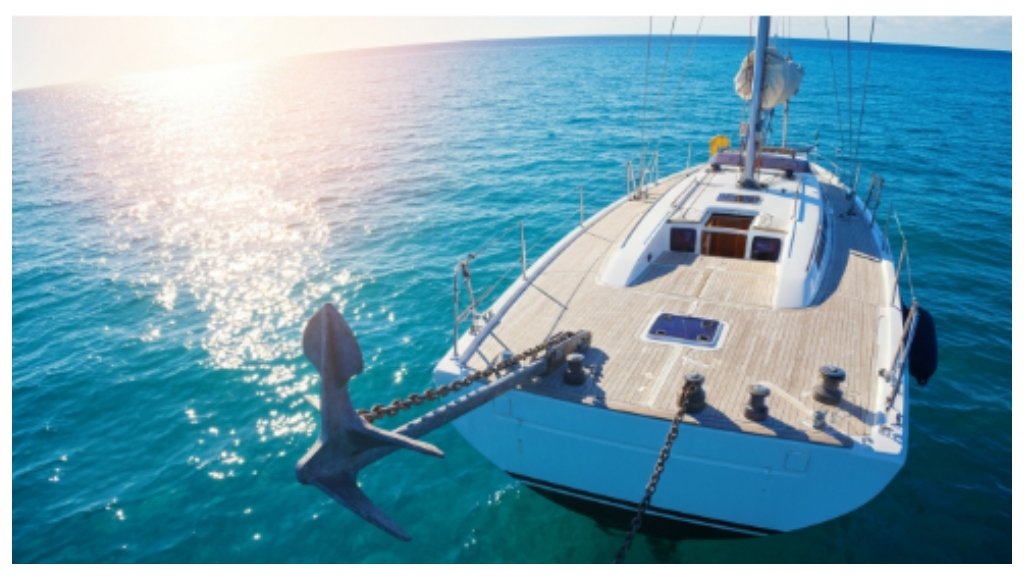
The connection between your anchor and boat, known as the anchor rode, is critical for a secure hold. Most recreational boaters use a combination of anchor chain and anchor ropes. The chain’s weight helps the anchor shank lie horizontally, allowing the flukes to dig into the seabed effectively. It also resists abrasion from rocks and coral.
The rope portion of the anchor line provides shock absorption, reducing the jarring motion caused by waves and wind. This elasticity protects your boat’s hardware from stress and makes for a more comfortable experience at anchor. Nylon is a popular choice for anchor ropes due to its strength and stretch.
When selecting your ride, consider these factors:
- Chain Length: A length of chain at least equal to your boat’s length is recommended.
- Rope Type: Three-strand nylon rope offers excellent strength and stretch.
- Diameter: The diameter of both the chain and rope should be appropriate for your boat size and the anchor’s weight.
8. Assess All-Terrain Anchors for Versatile Use
If you boat in a variety of locations, you may wonder if there’s a single anchor that can handle it all. While no anchor is perfect for every single condition, modern all-terrain anchors come very close. These anchors are designed to perform reliably across a variety of seabeds, from soft mud to sand and gravel.
These newer-generation anchor types often feature a sharp, weighted tip for quick penetration and a roll bar. The roll bar helps orient the anchor correctly as soon as it hits the bottom, ensuring it sets fast and effectively. This design provides exceptionally high holding power for its weight.
While they can be more of an investment, the versatility of all-terrain anchors offers great value and peace of mind.
- Roll Bar: Helps the anchor land in the optimal position for setting.
- Sharp Fluke: Penetrates hard or grassy bottoms more easily than traditional anchor types.
- High Holding Power: Offers superior security in various conditions.
9. Check Compatibility with Large or Small Vessels
Yes, anchors are definitely designed with vessel size in mind. The needs of smaller boats are quite different from those of larger boats. For smaller vessels, like tinnies or day boats, a lightweight and easy-to-handle anchor is often the priority. A fluke or small claw anchor can be a great choice, as they offer good performance without being overly heavy.
For larger boats and blue-water cruisers, strength and holding power are paramount. These vessels require heavy-duty plow, wing, or modern spade-style anchors that can provide a secure hold in challenging weather conditions. These anchors are built to handle the significant forces exerted by a larger hull.
Furthermore, storage should be a consideration. Some anchor designs are bulky, while others, like a fluke anchor, stow relatively flat. On a boat with limited space, a more compact anchor design or even a folding grapnel anchor for secondary use might be the most practical solution.
10. Make Your Purchase and Review Delivery Options
Once you’ve done your homework and selected the right anchor and accessories, it’s time to make your purchase. When looking for high-quality boat anchors in Australia, choose a reputable supplier that offers premium quality gear and expert advice. This ensures you’re getting a product that will perform when you need it most.
Buying an anchor kit can be a smart move, as it bundles the anchor, chain, and rope, often at a better value than buying each piece separately. This also helps ensure all components are correctly matched in size and strength.
Before finalising your order, check the delivery options. Anchors are heavy and bulky, so a reliable and affordable shipping service is important. Having your new gear delivered directly to your door saves you hassle and gives you peace of mind, knowing your boat will soon be equipped with the best equipment for your future adventures.
Conclusion
In conclusion, purchasing boat products is a significant investment that can greatly enhance your boating experience. By following this 10-step guide, you can ensure that you make informed decisions tailored to your specific needs and the unique conditions of Australian waters. From identifying your vessel type to selecting the right accessories, each step is crucial for achieving safety and enjoyment on the water. Remember, it’s not just about shopping—it’s about equipping yourself with the right tools to navigate your adventures confidently. Happy boating, and may your time on the water be filled with joy and discovery! If you’re ready to start your journey, consider booking a free consultation to explore your options further.
Frequently Asked Questions
How do I determine the best anchor size for my boat in Australia?
To find the right anchor size, start with the general rule of one pound of anchor for every foot of boat length. Also, consider your boat’s total weight and the weather conditions you’ll face. Always consult the anchor manufacturer’s size chart for your specific boat size to ensure adequate holding power.
What anchor accessories should I consider for safe boating?
For safe boating, essential anchor accessories include a quality anchor line (a combination of anchor chain and rope), appropriately sized shackles, and a bow roller to protect your vessel. Buying a complete anchor kit is a great way to ensure all your components are compatible and ready for use.
Are stainless steel anchors better than sand anchors for Australian waters?
This compares a material (stainless steel) to an anchor type (“sand anchor,” often a fluke style). Stainless steel offers superior rust resistance, while galvanised steel is more affordable. The best anchor type depends on water conditions, not just the material. Both materials offer excellent holding power when sized correctly. Click here for more information.