Buying an RV is an exciting milestone for adventure enthusiasts, families, and retirees looking to embrace the freedom of the open road. However, purchasing an RV—whether new or used—is a significant investment. What to Inspect Before Buying an RV To ensure you make a smart choice and avoid costly surprises, a thorough inspection is essential. For those seeking reliable advice, expert RV sales & inspection guidance can be invaluable, helping you evaluate every detail before signing on the dotted line. This article offers a comprehensive pre-purchase checklist to guide you through the inspection process.
1. Exterior Inspection: First Impressions Matter
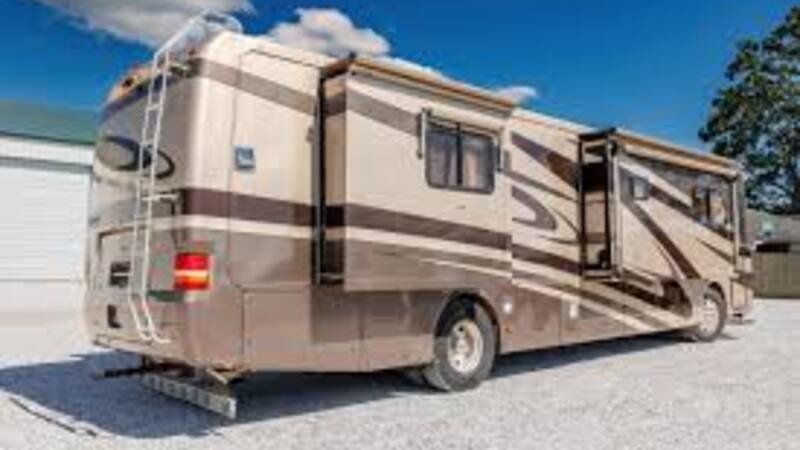
The exterior of an RV can reveal a lot about its condition. Start by examining the body for signs of wear, damage, or leaks. Common areas to scrutinize include:
- Roof and seams: Look for cracks, punctures, or water damage, as roof leaks can lead to extensive interior problems.
- Sidewalls and paint: Check for fading, dents, or scratches that could indicate neglect or previous accidents.
- Windows and seals: Ensure seals are intact and windows operate smoothly without cracks.
- Undercarriage: Look for rust, corrosion, or structural issues, especially on older RVs.
Having an RV professional assess these areas can save you from unexpected repairs and reinforce the value of expert RV sales & inspection guidance.
2. Interior Evaluation: Comfort and Functionality
Step inside the RV and examine the interior for signs of wear, water damage, and overall maintenance. Key areas to inspect include:
- Floors and walls: Check for soft spots, stains, or bubbling paint, which could indicate water intrusion.
- Cabinetry and furniture: Open and close cabinets, drawers, and beds to ensure proper function.
- Appliances: Test all appliances, including the refrigerator, stove, microwave, and water heater, to verify they work correctly.
- Plumbing and fixtures: Run taps and check for leaks, water pressure, and hot water functionality.
A detailed walkthrough with an expert can highlight hidden problems that might be overlooked by the untrained eye.
3. Mechanical Systems: Engine, Transmission, and More
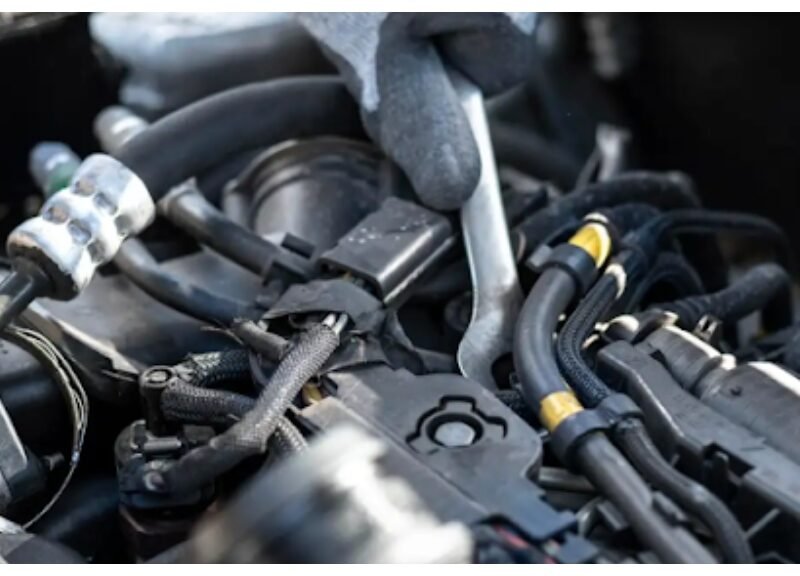
For motorized RVs, the engine and mechanical systems are critical. For trailers and fifth wheels, you’ll want to ensure the tow and brake systems are in top condition. Areas to focus on include:
- Engine performance: Listen for unusual sounds, check fluid levels, and review maintenance records.
- Transmission and brakes: Ensure smooth gear shifts and responsive braking.
- Tires and suspension: Look for wear patterns, cracks, or uneven tread, which can indicate alignment issues.
- Battery and electrical systems: Test battery voltage, lights, and electronics to avoid future headaches.
An RV technician can perform diagnostic checks that go beyond what most buyers can detect during a casual inspection.What to Inspect Before Buying an RV.
4. Safety Features: Protect Yourself and Your Investment
Safety should never be overlooked. Confirm that all safety features are functional, including:
- Smoke and carbon monoxide detectors: Replace batteries and ensure alarms work.
- Fire extinguisher: Verify it’s charged and accessible.
- Seat belts and restraints: Ensure they meet current safety standards, especially in motorhomes.
- Propane system: Inspect tanks, valves, and regulators for leaks or damage.
A professional inspection often includes a detailed review of these features, offering peace of mind before committing to a purchase.
5. Documentation and Records: Know the History
Even the most pristine RV can hide problems if paperwork is incomplete. Request and review:
- Service and maintenance records: Consistent maintenance is a good indicator of overall care.
- Title and registration: Verify ownership history and ensure no liens exist.
- Recall information: Check with the manufacturer for outstanding recalls.
- Warranty coverage: Determine what is still covered and what is not.
Having an expert help review documentation can identify potential red flags that could affect the RV’s value or usability.
6. Test Drive or Tow Test: Real-World Performance
Nothing beats firsthand experience. For motorhomes, take the RV for a test drive to assess:
- Acceleration, braking, and handling
- Suspension comfort
- Noise, vibration, and overall drivability
For towable RVs, perform a tow test to evaluate how the trailer handles, brakes, and aligns with your vehicle.What to Inspect Before Buying an RV A professional driver or RV inspector can provide objective feedback, highlighting any issues that may not be obvious to inexperienced buyers.
7. Final Expert Review: Your Safety Net
Even if you feel confident, expert RV sales & inspection guidance adds a critical layer of protection. Certified RV inspectors can provide a detailed report, including:
- Condition ratings for major systems
- Recommended repairs or maintenance
- Long-term ownership considerations
This step is especially important when buying a used RV, where hidden issues can significantly impact cost and enjoyment.
Conclusion
Purchasing an RV is an exciting opportunity to explore the open road, but it requires careful consideration. By following this pre-purchase checklist, you can make an informed decision, avoid costly mistakes, and enjoy your new adventure with confidence. Expert RV sales & inspection guidance ensures you leave no stone unturned, offering peace of mind and protecting your investment.If you need more details to WORD US MAGAZINE visit.