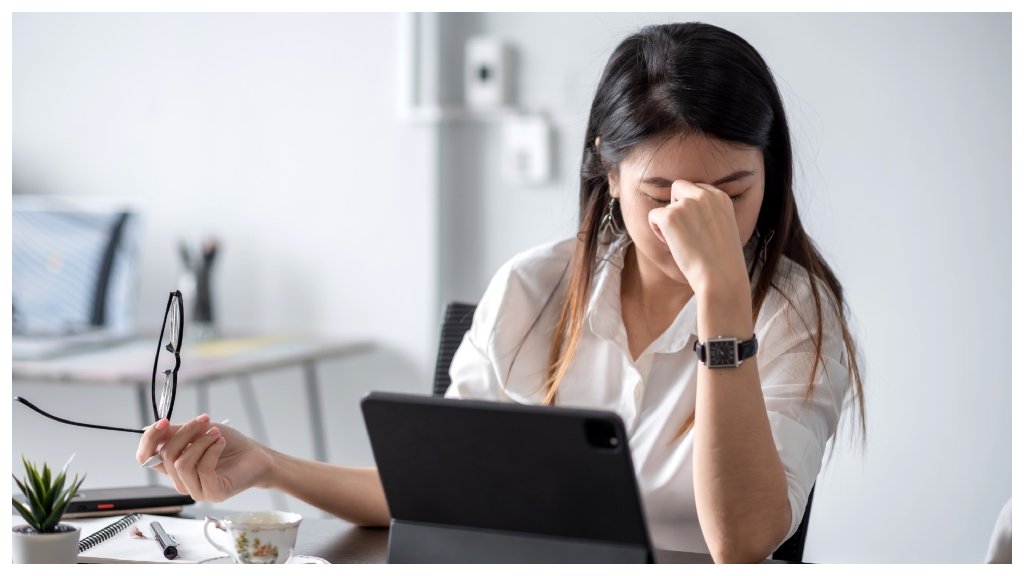
Stress has a way of sneaking into daily life. It presents itself in many ways – busy minds, restless sleep, tight shoulders. While certain exercises, like deep breathing and yoga, are useful, many people are now switching to try fresh approaches. These approaches are said to be more natural and engaging.
No matter your own beliefs, it is beneficial to know the trending techniques. This year, three stress-reduction methods are expected to stand out due to their simplicity and surprising impact.
Forest Bathing
Despite what it sounds like, forest bathing does not involve water. It simply means spending slow, mindful time in nature. This idea actually began in Japan, where is it known as shinrin-yoku. Instead of hiking fast or tracking your steps, you just wander. Maybe you notice the trees, smell the leaves, or listen to the sound of birds.
This practice works because nature gently pulls your attention away from concerns and worries. Your nervous system receives a break. Heart rate slows, Muscles relax. You don’t even need to spend hours outside; a short visit is enough to help.
Forest bathing is easy to start. All you need is a quiet park, a wooden trail, or a tree-lined neighborhood. Leave your phone behind if possible. Walk slowly. Pause frequently. Touch bark or sit on the ground. There is nothing to achieve. Just being there is enough.
EFT Tapping (Emotional Freedom Techniques)
EFT tapping blends light touch with focused attention. This technique involves tapping on certain points of the body, all the while thinking about a stressful emotion or thought. It is believed that these points are similar to those used in acupuncture. The bonus here is that no needles are involved.
It might feel a little strange at first. Still, lots of people find it calming within minutes. The tapping helps signal safety to the brain. Over time, these signals reduce emotional intensity and physical tension.
People typically use EFT tapping for anxiety, feelings of overwhelm, or trouble sleeping. Fortunately, it can be done anywhere. It takes very little time, too. There are even guided videos to follow, but you might prefer to learn a simple sequence on your own. It’s up to you.
But you must be honest with this technique. Name what you are feeling without judgement. Tap and breathe. Mixing awareness and movement in this technique helps the body let go.
Cold Plunges
Once practiced by just elite athletes, cold plunges have risen in popularity. More and more people use brief cold exposure to manage stress and boost mood. And cold water is relatively easy to find – a cold shower, an ice bath, a dip in cold water outdoors. All good options.
This technique works by activating the nervous system and then teaching it calm down. The cold will, no doubt about it, feel intense at first. Your breathing speeds up. Your teeth chatter. You might even begin to feel panicked. Then something shifts. Your body adapts, and your mind becomes clear and more focused.
If you’ve ever wondered how long should you cold plunge to reap the benefits, you aren’t alone. After all, there is a lot of confusion online. Some sources state one to three minutes, while others say no more than 10 to 15 minutes. It is best to gradually extend the time you’re in the cold water, working towards 10-15 minutes over weeks and months.
Consistency matters more than intensity with cold plunging. Just start small and listen to your body. Feeling dizzy or numb is not the aim.
To conclude, stress reduction does not need to be complex. In fact, the aim is to bring attention back to the body and the present moment. Doing this should be simple. Fortunately, the three trends in this post will help you do just that. Click here for more information.