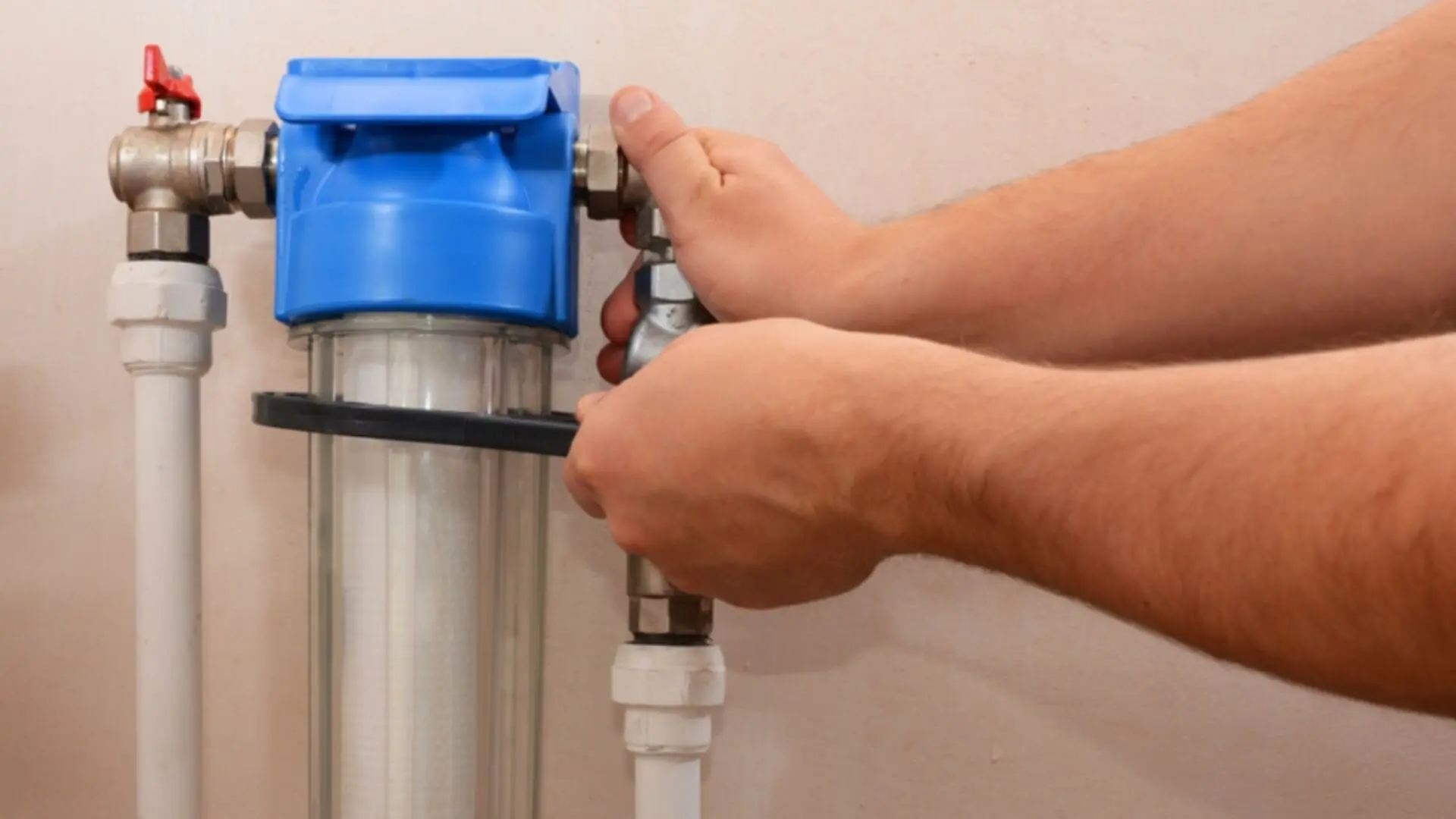
Your home’s water filtration system works quietly in the background, ensuring every sip, wash, and rinse is clean and dependable. But even the most reliable systems have limits, and ignoring the signs of filter overuse can lead to declining performance, increased utility costs, and unexpected repairs. Homeowners often assume filters last longer than they actually do, especially when usage varies based on lifestyle, family size, and local water quality. If a filter is pushed beyond its intended lifespan, the entire system can begin to struggle, sometimes without obvious warning. We will explore how overused filters can gradually affect water quality, appliance efficiency, and overall household comfort. Understanding these signs can help you take timely action, avoid future issues, and maintain a clean, healthy water supply before problems escalate.
Signs Your Filtration System May Be Failing
Noticeable Decline in Water Flow
As filters trap sediment, minerals, and contaminants, they slowly clog and reduce the amount of water that can pass through. This restriction may begin subtly, such as slightly slower shower pressure or longer dishwashing cycles, but it can eventually lead to a significant slowdown throughout the entire home. When water pressure drops unexpectedly, many homeowners mistakenly blame plumbing issues, but an overloaded filter can be the more immediate cause.
Kinsmen Service Pros of Summerville often reminds homeowners that ignoring early pressure changes can lead to preventable strain on their systems. Over time, this decline in flow places unnecessary strain on pumps, water heaters, and connected appliances, shortening their lifespan. In addition, reduced flow can disrupt daily tasks, making everything from laundry to cooking more time-consuming. Monitoring changes in pressure and comparing them to previous performance can help you determine whether it’s time for a filter replacement before more serious issues develop.
Changes in Water Taste or Odor
Water that suddenly tastes or smells different often indicates a filtration system that’s no longer functioning efficiently. Filters are designed to remove unpleasant odors, chlorine, sediment, and various impurities that affect water quality. When a filter is pushed beyond its capacity, contaminants begin passing through again, causing noticeable differences in taste and smell. For example, you may detect a metallic hint, a musty odor, or a slightly chemical-like flavor.
Frequent Appliance Malfunctions
Household appliances that rely on clean water, such as dishwashers, refrigerators, washing machines, and water heaters, often show stress when filtration systems are overused. Sediment and mineral buildup can infiltrate these appliances when a filter loses its effectiveness, resulting in clogged lines, poor performance, or unexpected breakdowns. For example, dishwashers may leave spots on dishes, refrigerators may produce cloudy ice, and water heaters may struggle with efficiency due to scale buildup. As these issues develop, you may find yourself scheduling more repairs or replacing parts sooner than expected. Many homeowners overlook the connection between appliance issues and water filtration, assuming the appliance itself is the root cause. However, clean water is essential to keeping appliances running smoothly, and an overused filter often disrupts that balance. Replacing filters on time not only protects your water system but also reduces maintenance costs and extends the life of your household equipment.
Unusual Noises from the Filtration System
A filtration system that begins to make unfamiliar sounds may be experiencing internal strain caused by an overloaded filter. As a filter clogs, the system must work harder to push water through, creating noises such as humming, rattling, or vibrating. These sounds can occur in whole-home systems, under-sink units, or even in refrigerator filters, depending on the setup. In some cases, the system’s internal components may be reacting to increased pressure or restricted flow, which can eventually lead to mechanical wear or damage. Ignoring these sounds increases the risk of leaks, pressure imbalances, or complete filter failure. Many homeowners only take action once the noise becomes disruptive, but early attention helps prevent costly repairs. Listening for changes in your system’s usual function can give you a valuable early warning that it’s time to check or replace the filter.
Unexpected Increases in Utility Bills
A less obvious but important sign of filter overuse is a noticeable rise in utility costs. Water heaters may require additional power to heat water, dishwashers may run longer cycles, and overall household usage may increase without being immediately apparent. Even small changes in consumption add up quickly on utility bills. Because these increases often happen gradually, homeowners may overlook the connection between higher energy costs and filtration issues. Reviewing your bills and comparing them over several months can reveal patterns that suggest your system is working harder than it should. Timely filter replacement helps restore normal efficiency and keeps energy use under control.
Recognizing the signs of filter overuse is crucial for maintaining your home’s water quality, protecting appliances, and avoiding unnecessary expenses. By addressing these indicators early and replacing filters on schedule, you can maintain consistent water quality, support your home’s appliances, and ensure long-term system performance. Whether you rely on your filtration system for drinking water, household tasks, or the longevity of your plumbing, paying close attention to these warning signs helps keep everything flowing smoothly year after year.