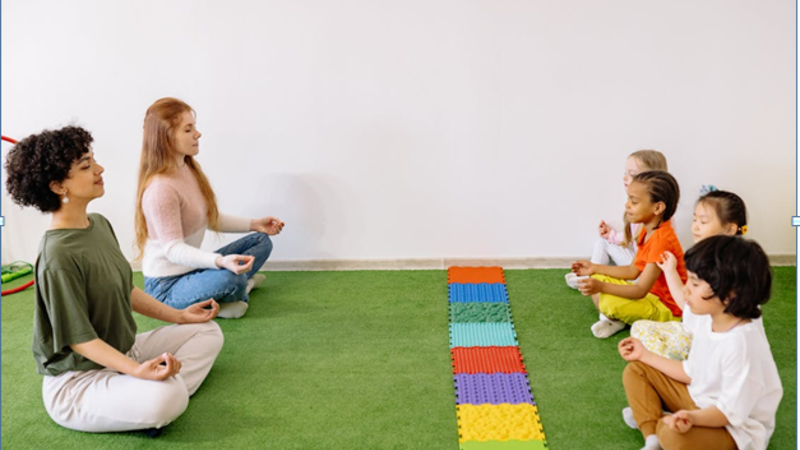
Have you noticed how students today seem more stressed than ever before? With growing academic pressures, social media challenges. How Schools Are Prioritizing Student Well-Being and Resilience and concerns about the future. it’s no surprise that schools are shifting their focus. Education is no longer just about test scores and grades. Now, more than ever, it’s about helping students become emotionally strong and mentally prepared to handle life’s ups and downs.In this blog, we will share how schools are helping students build resilience, feel supported, and thrive in and out of the classroom.
Creating a Culture of Emotional Support
Many schools are changing the way they interact with students by creating an environment where emotional health matters. Teachers, staff, and even students are being trained to recognize when someone is struggling. Schools are now offering safe spaces where students can talk about their feelings without fear of judgment. This approach makes it easier for students to ask for help, which can prevent problems from growing worse.
This shift is happening in both classrooms and after-school settings. Teachers are adding emotional check-ins and journaling time to their daily routines. Schools are encouraging open conversations about stress, anxiety, and sadness. The message is clear: it’s okay to talk about your feelings, and there are people here to listen.
Expanding Mental Health Services on Campus
More schools are offering in-house mental health services, like counselors, therapists, and social workers. Students now have easier access to professionals who can help them work through difficult emotions, trauma, or anxiety. These services go beyond just solving problems. They help students learn coping skills that will serve them for life.
In some cases, students who want to help others are inspired to pursue school counseling themselves. Programs like the Master of Education in School Counseling at Southeastern Oklahoma State University prepare future counselors through flexible, accredited options. Many educators explore online school counseling master’s programs to further their careers while continuing to work. These programs offer the tools needed to guide students with care, compassion, and evidence-based techniques. Schools benefit greatly when professionals with these qualifications are available on campus every day.
Teaching Social-Emotional Learning (SEL)
Social-emotional learning, or SEL, has become a key part of school curriculums. SEL teaches students how to understand and manage their emotions, build healthy relationships, and make thoughtful decisions.How Schools Are Prioritizing Student Well-Being and Resilience It also helps students build empathy. which leads to kinder and more respectful school communities. These lessons are often included in daily classroom activities or special programs led by trained staff.
SEL doesn’t just benefit students emotionally—it supports academic success too. When students feel calm and confident, they can focus better and stay motivated. Schools may use role-playing, storytelling, or group discussions to teach these skills. Over time, students learn how to bounce back from challenges, solve problems peacefully, and support their peers. This builds a more positive and caring environment for everyone.
Building Strong Relationships Between Teachers and Students
A strong bond between teachers and students can make a big difference in how students feel about school. When students know that their teachers truly care, they feel safer and more motivated to do well. Schools are encouraging teachers to build these relationships by checking in with students regularly, offering praise, and showing genuine interest in their lives.
These relationships help students feel valued and respected. For some students, school might be the only place where they feel supported. Teachers who listen, offer guidance, and remain consistent give students the confidence to keep going even when things get tough. When students trust the adults around them, they are more likely to open up, ask for help, and work toward their goals with greater confidence.
Promoting Physical Health as Part of Mental Wellness
Physical health and mental health go hand in hand. Schools are now focusing more on activities that help both the body and the mind. This includes offering more movement breaks, better school lunches, and regular physical education. When students are active and well-nourished, they are more likely to feel focused and less stressed during the day.
Some schools also teach students how sleep, exercise, and nutrition affect their mood and energy levels. These lessons empower students to take care of their own well-being. Activities like yoga, mindfulness sessions, and outdoor learning are becoming more common too. By promoting healthy habits early on, schools help students build a strong foundation for lifelong wellness.
Encouraging Student Voice and Choice
Students feel more confident and resilient when they know their opinions matter. Many schools are creating opportunities for students to speak up, share ideas, and make choices about their education. Whether through student councils, surveys, or classroom discussions, schools are showing students that their voices count.
This sense of involvement builds leadership skills and trust. When students feel like they are part of the decision-making process, they are more likely to engage in school activities and take ownership of their learning. They also learn how to express themselves in respectful and meaningful ways. Giving students a voice is a powerful way to boost their self-esteem and emotional strength.
Supporting Families and Caregivers
Student well-being starts at home, so schools are working hard to build strong partnerships with families. This includes offering parenting workshops, sharing mental health resources, and keeping communication open between home and school. When parents and caregivers feel supported, they’re better equipped to help their children thrive.
How Schools Are Prioritizing Student Well-Being and Resilience Schools may offer family nights, newsletters. Or online portals to keep families informed and involved. Some even provide access to social workers or community programs that help with housing, food, or healthcare. When schools and families work together, students feel a consistent sense of support. They know that the adults in their lives are working as a team to help them succeed.
In conclusion, schools are doing more than ever to support student well-being. By focusing on emotional health, building strong relationships, and teaching practical life skills, they’re helping students become more resilient and confident. This shift benefits everyone—students feel better, teachers see more engagement, and families are more involved in their children’s lives. If you need more details to WORD US MAGAZINE visit.