Most people imagine dentistry as a place filled with drills, bright lights, and long appointments. But dental care today looks very different. Modern tools allow dentists to find problems earlier, treat them with higher accuracy, and make visits more comfortable.
These tools help remove guesswork and give patients a clearer picture of their oral health. Whether someone is getting a simple filling or a full smile makeover, advanced technology supports every step of the process. Many people searching for a dentist west village nyc already expect this level of care, and technology makes it easier for dentists to meet those expectations.
Digital systems, 3D imaging, special scanners, and advanced software have changed how dentists diagnose, plan, and complete treatments. Understanding how these tools work helps patients feel confident in their dentist’s decisions and understand why technology matters. This article breaks down how these modern tools improve accuracy, safety, and comfort.
The Rise of Digital Tools in Dental Diagnosis
Digital X-Rays for Clear and Fast Imaging
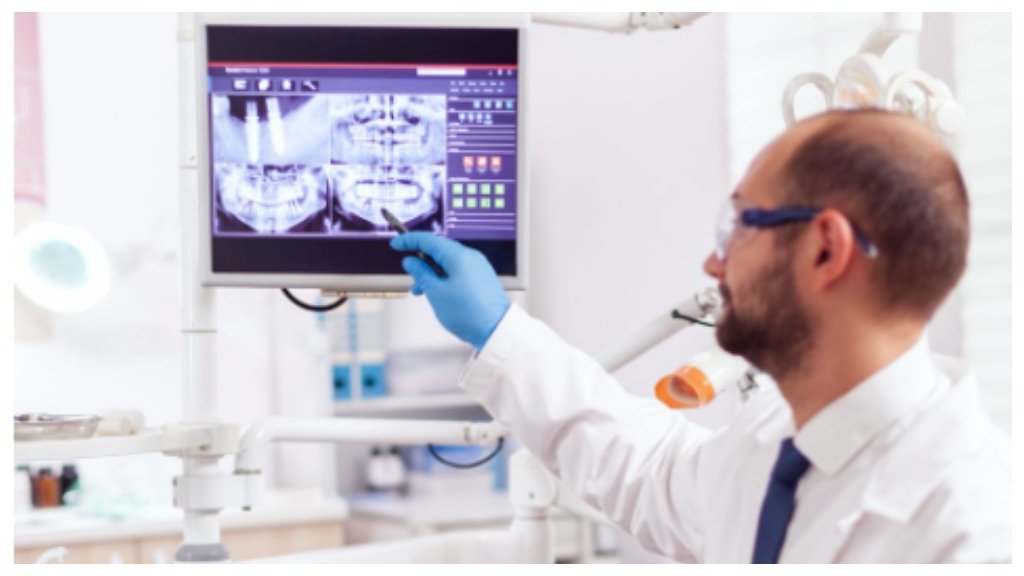
Traditional X-rays required film, chemicals, and longer waiting times. Today, digital X-rays have replaced that process in most clinics. These images appear on a screen within seconds, allowing the dentist to zoom in, adjust brightness, and examine tiny details.
This level of clarity helps dentists spot cavities, infections, bone problems, and early signs of gum disease much sooner. Digital X-rays also expose patients to less radiation, making them safer for regular check-ups. When a dentist can spot issues early, the treatment needed is usually simpler and less invasive.
Intraoral Cameras Give Patients a Close-Up View
Another important tool is the intraoral camera. This small camera, shaped like a pen, captures close-up images of teeth and gums. These images appear on a monitor, so the patient can see exactly what the dentist sees.
This helps with:
- spotting cracks, wear, or small cavities
- checking the health of old fillings or crowns
- explaining treatment clearly
When patients see the condition of their teeth up close, they understand problems better and feel more comfortable with the recommended treatment.
3D Imaging for Complete Mouth Analysis
Cone Beam Computed Tomography (CBCT) has changed the way dentists study structures below the surface. Unlike regular X-rays, CBCT creates a full 3D model of the teeth, jawbone, nerves, and sinuses.
This technology is especially helpful for:
- implant planning
- root canal assessment
- checking bone density
- identifying hidden infections
With 3D imaging, dentists can study every angle before starting treatment. This leads to safer procedures and more predictable results.
Precision Tools That Improve Treatment Planning
Digital Scanners Replace Traditional Impressions
Many patients disliked the old method of taking impressions using trays filled with thick paste. Digital scanners have replaced this method in many clinics. A dentist moves a small wand around the mouth, and the scanner creates a detailed 3D model of the teeth.
Benefits include:
- faster appointments
- more accurate measurements
- better comfort for patients
These digital models are used for crowns, aligners, bridges, and mouthguards. Since the measurements are highly accurate, the final results fit better and feel more natural.
Dental Lasers for Cleaner and Gentle Procedures
Dental lasers are used for a wide range of treatments. They can remove decay, reshape gums, treat infections, and reduce bleeding. Lasers often make procedures quicker and more comfortable.
They help with:
- gum contouring
- cavity preparation
- treating sensitive areas
- disinfecting root canals
Lasers give dentists more control, which leads to cleaner results and faster healing. They also reduce the need for traditional tools in certain procedures.
CAD/CAM for Same-Day Restorations
Computer-Aided Design and Computer-Aided Manufacturing (CAD/CAM) technology helps dentists make crowns, veneers, and some fillings right in the clinic. After taking digital scans, the dentist uses computer software to design the new restoration. A milling machine then shapes it from a ceramic block.
Patients benefit from:
- fewer appointments
- precise fittings
- strong and natural-looking materials
Instead of waiting weeks for a lab to create a crown, CAD/CAM allows dentists to complete the full process in a single visit.
Technology That Improves Patient Comfort
Pain-Reduction Tools for Gentler Care
Numbing injections are still used, but technology has made them easier to control. Some devices deliver anaesthetic slowly and evenly, which helps reduce discomfort. When the numbing process is smoother, the rest of the treatment feels more manageable for the patient.
Quieter and Smoother Dental Handpieces
Modern dental handpieces vibrate less and make far less noise than older drills. This is helpful for patients who feel anxious about dental sounds. These updated tools help dentists work with better control while keeping patients calmer during the appointment.
Digital Smile Design for Predictable Cosmetic Results
Digital Smile Design (DSD) software allows dentists to plan cosmetic treatments with great accuracy. Patients can see a preview of how their smile may look after whitening, veneers, crowns, or orthodontic treatment.
This technology:
- clarifies the expected outcome
- improves communication
- reduces chances of misunderstandings
Patients feel more confident when they can visualise results before starting.
The Future of Dentistry: Smarter and More Personalised Care
AI Tools That Support Dental Decisions
Artificial Intelligence systems are trained to study X-rays, scans, and patterns of disease. They highlight suspicious areas or early signs that may be easy to miss with the human eye alone. AI does not replace the dentist, but it adds an extra layer of analysis to help with accuracy.
This can lead to:
- faster diagnosis
- better preventative care
- reduced chances of overlooking hidden issues
AI helps dentists provide more informed treatment plans and may soon become a standard part of dental care.
3D Printing for Fast and Precise Dental Appliances
3D printing allows dentists to create:
- night guards
- implant guides
- temporary crowns
- clear aligners
These items are made from digital designs, which improves accuracy. For treatments like orthodontics or tooth replacement, precise appliances help the process move smoothly when created by a dentist west village nyc who uses advanced technology.
Remote Monitoring and Digital Records
Digital records make it easier for dentists to track progress, review past treatments, and share information when needed. Remote monitoring tools also let dentists check healing or treatment progress without requiring constant in-person visits.
Patients benefit from:
- faster communication
- safer storage of information
- better long-term tracking
This technology keeps care organised and reduces the chances of missing important details.
Conclusion
Modern dentistry is powered by advanced tools that help dentists diagnose conditions with greater clarity, plan treatments with accuracy, and improve patient comfort. From digital X-rays to AI-powered scans, these tools give patients a better experience and more predictable results. Many people now look for a dentist who uses these modern systems, because they lead to safer and more efficient care.
As technology continues to improve, dental visits will become even smoother, faster, and more comfortable. Patients who understand these tools can feel confident knowing that their dentist is using the latest methods to protect their oral health. Click here for more information.