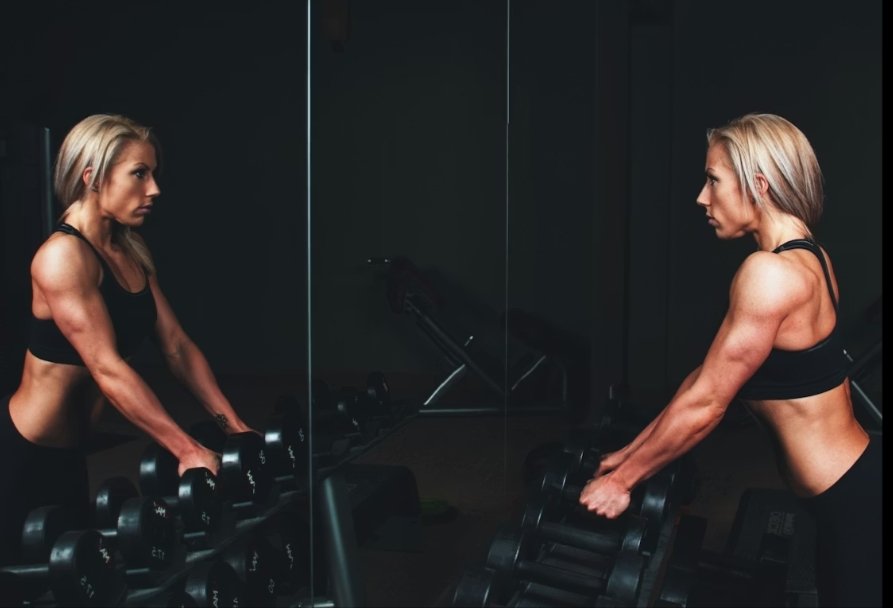
You walk in. The smell of rubber mats hits first. Then the mirrors. Then the people who look like they already know exactly what they are doing.
Your brain does the thing.
Everyone is looking at me. I do not belong here. I am behind.
If that sounds familiar, you are not being dramatic. Gym anxiety is real. It can make you skip workouts, rush through sets, or quit before you even start. The good news is you can lower that stress fast, with simple moves that work in real life.
Quick personal note: I once left a gym after five minutes because I could not figure out how to adjust a bench.
So yeah. You are not alone.
Why the Gym Can Feel Like a Spotlight
Gym anxiety usually comes from a mix of normal human wiring plus gym culture. You want to fit in. You want to look competent. You want to avoid embarrassment. That is basic social survival.
The “spotlight effect” tricks your brain
Your brain overestimates how much other people notice you. In reality, most folks focus on their own workout, their own playlist, and their own insecurities.
Relatable example: you think everyone saw you miss a rep. The truth? Someone nearby is stressing about their own form.
The gym has built-in stress triggers
Mirrors. Open spaces. Loud weights. People filming. All of that can make you feel exposed, even if nobody cares.
Being new makes everything louder
When you do not know where things are, every step feels like a test. You waste mental energy just navigating. That raises anxiety fast.
Transition: Now that you know why it happens, let us talk about what to do the moment you walk in.
Your First 10 Minutes Matter Most
Gym anxiety spikes at the start. Your body is still in “threat scan” mode. The fix is to give yourself an easy first win.
Use a “warm-up script” you never change
Do the same first steps every time for two weeks.
Try this:
- Walk in, fill your bottle, put your stuff away.
- Five minutes on a treadmill or bike.
- One simple mobility move, like shoulder circles.
- Then your first lift.
You remove decision stress. You stop wandering. You look like you have a plan, because you do.
Pick the “low-drama” zone
If the free-weight area feels intense, start with machines, cables, or a quiet corner. You still train hard. You just reduce the pressure.
Example: start with a leg press instead of barbell squats. Same muscles. Less setup. Less self-consciousness.
Wear what helps you disappear a little
This is not about fashion. It is about comfort.
If fitted gear makes you feel watched, wear a looser top. If bright colors make you feel exposed, go neutral. If headphones help you block the room out, use them.
Transition: Getting in the door is one win. But the bigger fear is usually judgment. Let us handle that next.
How to Stop Feeling Judged (Even When You Feel “Behind”)
You cannot control who is in the gym. You can control what you focus on.
Swap “performance” for “practice”
A gym is not a stage. It is a practice room.
Tell yourself: Today is not a test. Today is reps.
That mindset lowers pressure right away.
Use simple rules for comparison
Comparison will pop up. Do not fight it. Redirect it.
Try these rules:
- Compare you to you, not you to strangers.
- Track effort, not load.
- Progress counts even when it looks boring.
Example: you go from 8 push-ups on your knees to 10. That is progress. Quiet progress. Real progress.
Make your workout “small enough to succeed”
Anxiety loves big goals. It hates manageable plans.
So start with:
- 30 minutes, not 90
- 4 exercises, not 12
- 2 sets, not 5
Once you show up consistently, you can build.
Learn a few “default” moves
Confusion fuels anxiety. Confidence grows from competence.
Pick a short list:
- Leg press
- Seated row
- Chest press
- Lat pulldown
- Dumbbell Romanian deadlift
- Plank
These cover most of your body. They also look familiar in any gym. You stop feeling lost.
Important support note: If gym anxiety ties into bigger mental health struggles, structure plus support helps. Some people do best with a higher level of care while they rebuild routine and confidence, like a Partial Hospitalization Program.
Transition: Even with the right mindset, you still need practical tools to avoid awkward moments. Here are the ones that actually help.
Practical Confidence Boosters You Can Use Today
Go at “quiet hours” for two weeks
Less crowd equals quick relief. Early afternoon, late evening, or mid-morning often feels calmer than the post-work rush.
If you can, pick one quiet time and stick with it. Familiar faces start to feel normal. The room feels less threatening.
Use a simple “I belong here” checklist
Before you step in, remind yourself:
- I pay for this space, so I can use it.
- I have a plan.
- I do not need to look advanced to deserve being here.
Short. Direct. No pep-talk fluff.
Ask one tiny question
If you feel stuck, ask the staff one small thing.
Where is the foam roller?
How do I adjust this seat?
Is this machine in use?
That one interaction breaks the “I cannot do anything here” feeling.
Keep a short rest routine
Rest time can feel exposed. You stand there. You do not know what to do with your hands. You start thinking too much.
Try this:
- Look at your notes.
- Breathe slowly for 3 cycles.
- Take a sip of water.
- Set up your next move.
You look calm because you are busy.
Make form your focus
Form gives you a job to do. It pulls attention away from the crowd.
Example: on a row, focus on pulling your elbows back, keeping your ribs down, plus moving slow. That is your whole world for 30 seconds.
Transition: Sometimes gym anxiety is not just nerves. Sometimes it connects to stress, burnout, or substance use. Let us talk about that without getting dramatic.
When Gym Anxiety Connects to Mental Health or Substance Use
Gym anxiety can sit on top of other struggles. Anxiety in general. Body image issues. Depression. Past trauma. Or using alcohol or substances to cope.
If you notice patterns like these, pay attention:
- You avoid the gym for weeks because panic hits at the door.
- You use alcohol or drugs to “get yourself to go.”
- You punish yourself with workouts after eating.
- You feel intense shame after small mistakes.
- You cannot relax unless you train.
That is not a character flaw. That is a sign you need more support, not more discipline.
If you are dealing with addiction or mental health challenges alongside anxiety, getting help close to home can change everything. One option is Rehab Alameda CA support.
Transition: Now let us wrap this up with a simple plan you can actually follow.
A Simple 2-Week Plan to Make the Gym Feel Safer
Week 1: Show up, keep it easy
Goal: reduce fear, build routine.
- Go 2 to 3 times.
- Stay 30 to 45 minutes.
- Do the same warm-up script every time.
- Pick 4 exercises you already know.
- Leave before you feel drained.
Key idea: you are training your nervous system, not just your muscles.
Week 2: Add one challenge
Goal: build confidence with one new thing.
Pick one:
- Add 5 pounds to one lift.
- Add one set to one exercise.
- Try one new machine.
- Ask one question.
- Spend five minutes in the free-weight area, even if you do not lift there yet.
Small challenge. Big win.
Final Thoughts
Gym anxiety tells you a story: you are behind, you are being judged, you do not belong.
That story is loud. It is also wrong.
You belong in the gym because you showed up. Start small. Repeat a simple plan. Let confidence build the normal way, through practice.
So kick off your next workout with one easy step. Put on your shoes. Walk in. Do your first five minutes. Then see what happens.