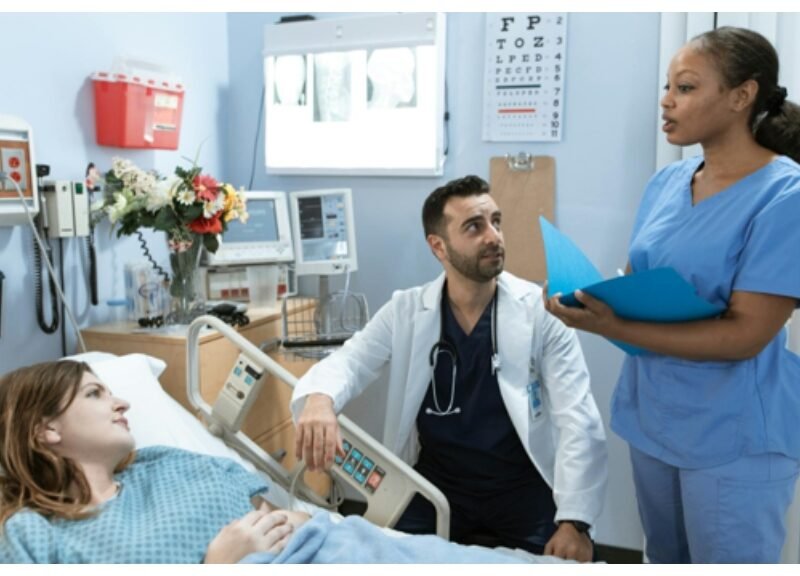
Medical institutions have long been the default solution for people with high support needs. The assumption was simple: complex care requires clinical environments. That assumption is being challenged by a housing model proving that home, not hospital, is where people thrive.
The Clinical Model We Inherited
For generations, people with significant disabilities moved through a predictable institutional pathway. Hospitals led to rehabilitation facilities, which led to group homes designed more like medical wards than actual homes. The focus remained on what people couldn’t do rather than what they could achieve with proper support.
This medical model prioritized safety and efficiency over dignity and choice. Schedules revolved around staff shifts, not individual preferences. Meals appeared at predetermined times. Activities happened when workers were available. Independence wasn’t the goal because institutions weren’t designed to foster it.
What Happens When Home Comes First
SDA housing flips this approach entirely. Instead of asking how to fit people into existing care models, it asks what people need to live independently and then builds housing around those needs.
The results challenge everything we thought we knew about disability support. People who spent years in institutional settings are cooking their own meals, managing their own schedules, and participating in their communities in ways that seemed impossible within the clinical model.
This isn’t about reducing care or cutting corners on support. It’s about delivering that support in environments designed for living, not treatment.
The Health Outcomes Nobody Expected
Researchers tracking residents who’ve moved from group homes to purpose-built accessible housing are documenting remarkable health improvements. Depression rates drop. Anxiety decreases. Physical health markers improve. Hospital admissions decline significantly.
The explanation isn’t mysterious. People who control their own living environments experience less stress. They sleep better, eat better, and maintain stronger social connections. Mental health improves when choice and autonomy replace institutional routines.
The Economic Case for Home-Based Support
Hospital beds cost health systems between $1,500 and $2,500 per day. Group homes run approximately $500 to $800 daily per resident. Purpose-built accessible housing with appropriate support averages $300 to $500 daily, depending on individual needs.
These aren’t just cost savings. They’re better outcomes at lower prices. Health departments are beginning to recognize that investing in appropriate housing reduces long-term healthcare expenditure while simultaneously improving quality of life.
Skills That Flourish Outside Institutions
Something remarkable happens when people move from institutional settings to their own homes. Skills that seemed impossible to develop suddenly emerge. Residents who never learned to manage money start budgeting. People who ate only institutional food discover cooking.
This isn’t about miraculous transformations. It’s about recognizing that institutional environments actively suppress skill development by removing opportunities for practice and growth.
The Support Worker Relationship Shift
In clinical settings, staff relate to people primarily as patients or clients. In homes, that dynamic changes fundamentally. Support workers become partners in daily living rather than caregivers managing disability.
This shift affects how support workers approach their roles. Instead of following care plans focused on managing risk, they help residents pursue goals, develop skills, and navigate community participation. The relationship becomes collaborative rather than hierarchical.
Redefining What’s Possible
The move from hospital walls to kitchen tables represents more than a change in physical location. It’s a philosophical shift about what people with disabilities can achieve when given appropriate support in appropriate environments.
This housing model is proving that independence isn’t binary. It exists on a spectrum, and with the right home design and support structures, people can achieve far more autonomy than traditional medical models suggested possible.
The question facing healthcare systems isn’t whether this approach works. The evidence is clear. The question is how quickly we can scale this model to reach everyone still waiting for their chance to move from patient to person, from facility to home.