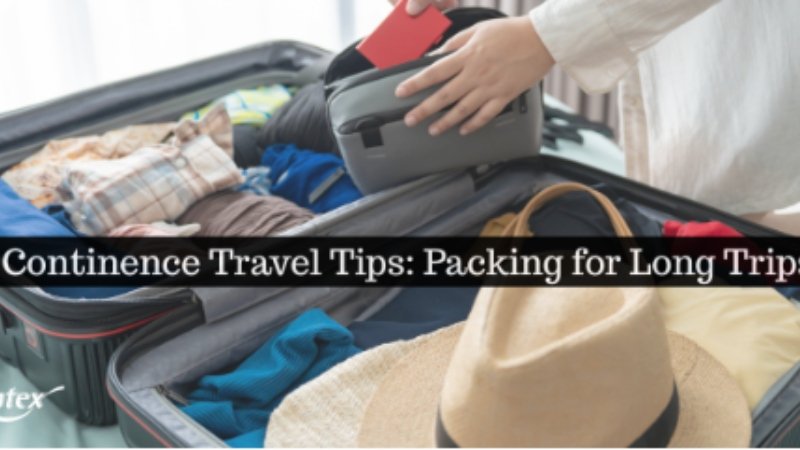
Planning a trip but worried about managing bladder leakage away from home or finding toilets during long flights? If you want practical ways to travel confidently with incontinence, you’re in the right place.
Today, we’ll discuss essential packing strategies and travel tips that actually work for traveling with incontinence. With years of expertise in continence care, OntexHealthcare has helped thousands of Australians travel comfortably, so you can trust this advice.
Our goal is simple: help you pack smart and travel without the stress of constant bathroom worries. At first, let’s look at what makes travel incontinence harder to manage.
What Makes Travel Challenging with Incontinence?
Travel adds several physical and logistical challenges that make managing incontinence harder than at home. Unfamiliar toilets, long queues, and limited bathroom access create stress and increase your risk of accidents (and we’ve all done the airport bathroom sprint at least once).
In that situation, finding a clean, accessible toilet when you need one becomes much harder in airports, on planes, or at tourist spots.
What’s more, sitting for hours on planes or in cars puts extra pressure on your bladder. This affects many people, considering incontinence affects 1 in 4 adult Australians.
However, this constant pressure makes it harder to hold urine, especially if you have urinary incontinence or an overactive bladder. The longer you sit, the more your bladder struggles to maintain control, which can make you feel uncomfortable throughout your journey.
And here’s the kicker: dehydration from avoiding drinks makes your urine more concentrated, which irritates your bladder even more.
Tips About the Incontinence Products: Your Travel Essentials

The best part about packing the right incontinence supplies is that you’ll handle any situation without panic or embarrassment. You might be thinking that’s overkill, but trust us, having enough supplies means you’ll be right as rain during your entire trip.
Here’s what you need:
- Pack Double Your Usual Amount: Bring twice as many incontinence products as you think you’ll need for unexpected delays. If you normally use 3 pads per day for a 5-day trip, pack 30 instead of 15. Flights get cancelled, connections get missed, and luggage gets lost. Having extra supplies in your carry-on bag saves you from scrambling to find continence products in unfamiliar chemists at 10 pm.
- Choose Products Based on Your Leakage Level: Stick with the same absorbent pads, pull-ups, or adult nappies you use at home. If you wear moderate protection like iD Pants during the day, bring those instead of trying something new during your trip.
- Bring Resealable Plastic Bags: Pack 10-15 resealable plastic bags (the zip-lock kind works best) for discreet disposal. These bags seal in odours and keep your luggage fresh throughout the journey.
With these essentials packed, you won’t need to worry about running out or dealing with messy disposal situations while you’re away.
What if You Choose products with the Wrong Absorbency Level?

The right absorbency level means choosing products that match your actual leakage amount, not guessing or going lighter to save space. For example, light absorbent pads handle small drips when you cough (just a few drops).
If you leak more often throughout the day, moderate protection manages regular urinary leakage (small amounts multiple times).
For those who experience full bladder emptying, heavy protection is what you need.
What does that actually mean for you, though? Well, if you normally wear moderate pads at home for bladder control, bring those exact ones for travel. Through our practical experience helping Australian travellers, we’ve seen people pack lighter products to save luggage space, only to deal with accidents later.
Always test new products at home first, so you know they’ll maintain your bladder control during your trip.
Don’t Forget Wet Wipes and Disposal Bags
When you’re stuck in a plane toilet or roadside rest stop, wet wipes become your best friend for quick clean-ups. They help you freshen up when you can’t access a proper shower facility.
Pack disposable wipes specifically designed for skin cleaning, not just regular baby wipes, as these prevent skin irritation from sitting in damp clothes too long.
You’ll also need resealable plastic bags for throwing away used products discreetly. Scented disposal bags work best because they seal in odours and keep your luggage fresh throughout the journey.
Grab 10-15 zip-lock style bags before you leave, so you’re never stuck holding a used pad with nowhere to put it.
Managing Incontinence While Traveling: Plan Ahead
How do you stay comfortable and dry when you’re away from familiar bathrooms and routines? The answer is simple: planning ahead makes all the difference for managing incontinence during trips. Better safe than sorry when you’re stuck on a plane without knowing where the nearest toilet is.
Start by researching toilet locations at airports, rest stops, and your destination before you leave home. Resources like airport toilet maps show you exactly where accessible public restrooms are located. Once you know where the toilets are, you’ll feel more relaxed knowing you have easy access when you need it.
Now, let’s discuss clothing choices for traveling with incontinence. Our recommendation is to choose clothes that come off quickly, like elastic waistbands or loose dresses. It’s because managing a bladder that needs attention becomes much harder when you’re fumbling with buttons or tight jeans in a cramped airplane toilet. When you pick dark colours, they also hide any small accidents better than light clothing.
Don’t forget to book seats strategically as a final planning step. An aisle seat lets you reach toilets quickly without disturbing others. Here’s a special tip for you: set phone reminders to use the toilet every two hours (yes, even when your bladder feels completely fine) to prevent accidents.
Bladder Irritants to Avoid During Your Trip
Avoiding certain foods and drinks during travel is one of the easiest ways to reduce unexpected bladder leaks. What you put in your body directly affects how your bladder behaves, especially if you have an overactive bladder. Here’s what to skip:
- Coffee, Alcohol, and Fizzy Drinks: These make your bladder produce more urine and increase urgency. Let’s be honest here, that morning coffee before your flight might seem necessary, but it’s one of the biggest bladder irritants. Fizzy soft drinks do the same thing because carbonation irritates your bladder lining.
- Spicy or Acidic Foods: Tomatoes, citrus fruits, and other acidic foods can irritate your bladder lining during long journeys. Our tests with customers revealed that these bladder irritants make things worse for people trying to avoid bladder irritants while traveling.
- Artificial Sweeteners and Chocolate Drinks: Diet soft drinks and chocolate drinks often worsen bladder control for many travellers with an overactive bladder. Sports drinks with artificial ingredients have the same effect. So, stick to drinks without these additives when you’re on the go.
- Drink Plenty of Water Instead: Instead of reaching for those bladder irritants, choose good fluids like plain water. Drink plenty throughout your trip because staying hydrated with the right fluids actually keeps your bladder healthy without triggering extra leaks.
Pro tip: Pack a reusable water bottle and fill it after airport security so you control what goes into your body during the entire journey.
Bowel Control and Travel Plans: Getting the Timing Right
Your bowel movements affect your bladder control more than you might think, especially during long trips. When you’re constipated, the extra pressure makes bladder leakage worse (we’ve heard this concern from hundreds of travellers).
First, eat your regular meals at normal times to keep your bowel movements predictable. Your body clock gets confused during travel, which affects both bowel control and bladder function. Additionally, eat light meals because they’re easier to digest while sitting still for hours.
Next, pack high-fibre snacks like fruits or wholegrain crackers to prevent constipation from sitting still. This keeps your digestive system moving without making you feel uncomfortable. Finally, empty your bowels before leaving the accommodation each morning. This simple habit reduces accidents during outings and helps your travel plans run smoothly.
Quick Tips for Traveling with Incontinence
Now that you know what to pack and which foods to skip, here are some practical tips that make travel smoother. These work for everyone, especially women traveling long distances:
- Pack a Change of Clothes in Your Carry-On Luggage: Keep a complete outfit in a small bag inside your carry-on luggage for emergencies during flights. If a leakage accident happens, you won’t need to dig through checked baggage or wear soiled clothing for hours.
- Arrive Early at Your Departure Point: Give yourself extra time at airports or bus stations so you can use the toilet calmly without rushing. Having that buffer time reduces stress and helps you feel confident before your journey starts.
- Layer Your Clothing Smartly: Wear a long cardigan or jacket that covers your bottom half when traveling with incontinence. Sounds simple, right? But here’s why it works: if a small leakage accident happens, the extra layer hides it while you reach a bathroom to change.
- Wear Dark-Coloured Clothing: Dark colours hide any unexpected wet patches better than light fabrics, helping you feel more secure during your journey. Black, navy, or dark grey trousers work best for giving you peace of mind.
One more thing: never skip changing your product “just to save time” because rushing this step often leads to bigger problems later.
Travel Without Worry, Pack With Confidence
These incontinence travel tips help you enjoy trips without constantly worrying about bathroom access or embarrassing accidents. When you pack the right continence products and plan ahead, traveling with incontinence becomes much less stressful. You deserve to explore new places and visit loved ones without letting bladder or bowel concerns hold you back from life’s adventures.
Proper planning makes the real difference between a stressful trip and a comfortable journey. Pack double your usual supplies, avoid bladder irritants, and know where toilets are before you need them. These simple steps remove most of the stress from traveling with incontinence.
Don’t let incontinence keep you from having a go at that dream holiday you’ve been putting off. At Ontex Healthcare, we stock everything you need for stress-free travel with reliable continence products that actually work. Visit our range today and start planning your next adventure with confidence. Click here for more information.