If you feel frustrated with your outdoor space, you are not alone. Many homeowners want to enjoy their porch, patio, or yard, but something keeps getting in the way. Maybe the space feels uncomfortable. Maybe you do not know how to set it up. Or maybe it just does not fit your daily life anymore. The good news is that most outdoor spaces can improve with simple changes. Your space does not have to feel wasted. With the right updates, you can create an area that feels warm, welcoming, and easy to use.
This guide will walk you through the most common problems and show you how to fix them without stress.
1. Your Space Is Not Comfortable Enough
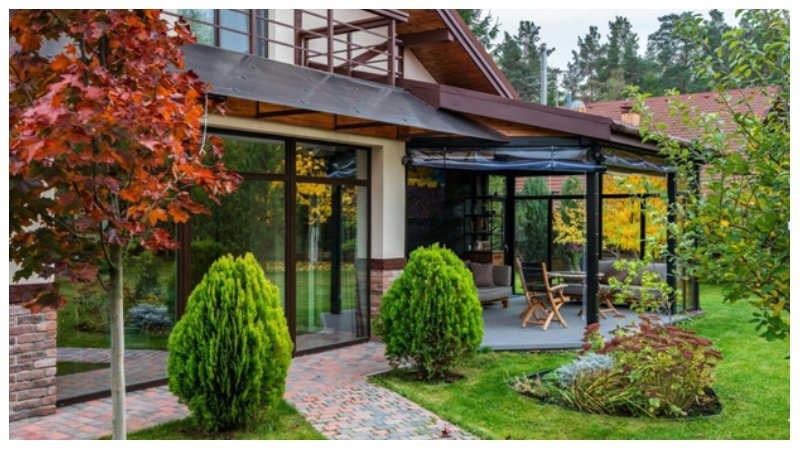
Comfort is the first reason most people avoid their outdoor space. If the area feels too hot, too cold, too buggy, or too exposed, you will not want to spend time there. Many homeowners look for simple ways to add comfort, but they overlook options that solve the issue for more than a few weeks each year. One improvement that helps a lot of families is enclosing an existing porch. This creates shelter, reduces bugs, and makes the space easier to use during spring, summer, and fall. It also helps protect your furniture from weather damage.
If you do not want a full enclosure, you still have useful choices. You can add screens to control insects. You can install ceiling fans to keep air moving. You can also upgrade your furniture so your outdoor space feels closer to your indoor living room. Simple cushions, better lighting, and a small rug can make the area feel more inviting. When comfort goes up, your time outside increases right away.
2. The Layout Does Not Match How You Live
Your outdoor space will never feel right if the layout does not match your daily habits. A poor layout can make a porch or patio feel tight, empty, or confusing. You might have plenty of space, but if the furniture sits in the wrong spots, the area will not function well.
Start by thinking about how you want to use the space. Maybe you want a place to relax in the morning. Maybe you want a spot to eat dinner outside. Maybe you want an area where friends can sit and talk. Once you know what you want, you can arrange the space around those goals. Create simple zones that support each activity.
Move larger items to the edges of the space to open up the center. Use a clear walkway so people can move around without stepping over chairs. If your space feels cramped, choose furniture with a smaller footprint. If the space feels empty, add a few pieces that help define the layout. When the setup matches your routine, the space feels natural and comfortable.
3. There Is No Clear Purpose for the Space
A space without a clear purpose will always feel unfinished. Many outdoor areas fall into this trap. The space becomes a mix of unused chairs, aging plants, and random items that do not belong there. Without direction, the area becomes easy to ignore.
Give your outdoor space a purpose that fits your life. You do not need a big idea. You only need a simple goal. You can turn the space into a reading corner with a small chair and a side table. You can create a casual dining area with a compact table and two chairs. You can set up a quiet zone with soft lighting. Once you decide what the space should do, you will know what to keep and what to remove. You will also find it easier to decorate the area in a way that feels intentional.
4. The Space Lacks Privacy
Privacy is a big reason outdoor spaces sit unused. If you feel watched or too exposed, you will not relax. Many homes sit close to neighbors, so outdoor privacy is often a challenge. Thankfully, you can fix this without spending much.
Add privacy screens or outdoor curtains. These items help block views without making the space feel closed in. Use tall planters to create a natural barrier. You can also place furniture in a way that directs the view inward rather than outward. If your yard needs more privacy, consider fencing or lattice panels. Even small changes can make a big difference. When the space feels private, you will enjoy it more and stay there longer.
5. Maintenance Costs Keep Growing
Outdoor maintenance can drain time and energy. When a space needs constant repairs, homeowners avoid it. You might face peeling paint, cracked concrete, mold, or fading furniture. These issues make the space feel old and neglected.
Choose durable materials that handle weather well. Update old furniture with weather resistant fabrics. Replace items that wear down too fast. Store cushions in a dry place during heavy rain. Add covers to protect larger pieces. If you have a deck, check for loose boards or damaged rails and repair them before they get worse. Small routine tasks prevent large repair bills later. When maintenance feels manageable, your space feels more enjoyable.
6. You Have Outgrown the Space
Life changes, and your outdoor space should change with it. Maybe your family grew. Maybe you now work from home and need a quiet spot outside. Maybe you entertain more often. When your space no longer fits your routine, it feels useless.
Think about what you want today. Do you need more seating.Why Your Outdoor Space Is Not Working and How to Fix It Do you want a calm corner to relax alone. Do you want a better dining setup for guests. Once you know your needs, update the space with those goals in mind. Replace items that no longer work. Add features that support your current lifestyle. The more your outdoor space reflects your daily habits, the more you will use it.
Your outdoor space can improve with simple steps. You do not need a full renovation to make it work. Focus on comfort, layout, purpose, privacy, maintenance, weather, and your current needs. These areas guide every good update. When you make changes that fit your life, the space becomes welcoming again. You will enjoy more time outside and feel more connected to your home.Visit WORLD US MAGAZINE.