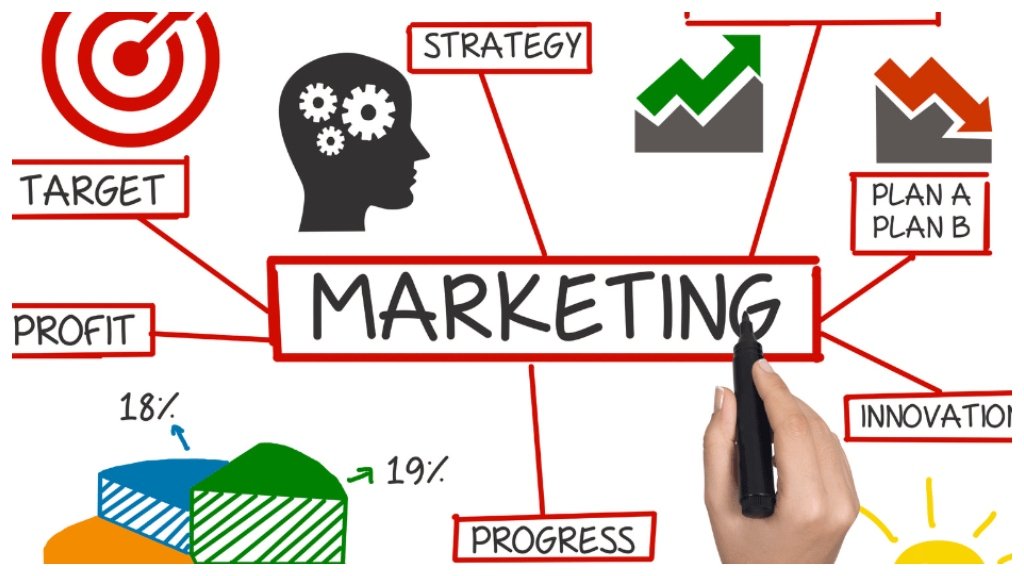
Choosing the right marketing channel can feel like navigating a maze of possibilities. Social media platforms multiply, search engines evolve, email strategies shift, and new tools launch every year. With so many choices, it’s easy to spread yourself thin, waste resources, or chase trends that don’t align with your long-term goals. That’s why understanding your strategy before selecting channels matters far more than following what everyone else is doing,especially when partnering with a team offering proven digital marketing services that help turn complexity into clarity.
Even with all the data and case studies available today, businesses often overlook the psychological and behavioural elements behind each channel. Your audience’s habits, the way they interact with information, and how they make purchasing decisions all influence which channels work best. Choosing the right one isn’t about being everywhere,it’s about being in the right place at the right time, with the right message.
So how do you confidently choose the best marketing channel for your goals? Let’s explore the structure, psychology, and strategy behind making smart, intentional choices.
1. Start With Your Goal: Your Destination Determines Your Route
The biggest mistake businesses make is selecting a marketing channel before defining the goal. Channels aren’t interchangeable,they each serve different functions. Clarity is the foundation of all effective marketing.
Know What You’re Trying to Achieve
Ask yourself:
- Are you trying to increase brand awareness?
- Generate leads?
- Nurture existing customers?
- Drive direct sales?
- Build long-term authority?
- Strengthen local visibility?
Each goal leads to different channels. For example:
- Brand awareness thrives on social media and video.
- Lead generation often relies on search marketing and landing pages.
- Authority building benefits from content marketing and SEO.
- Direct sales may rely on paid ads and email funnels.
Failing to match channel to goal leads to wasted energy,and disappointing results.
Understand the Timeline
Some channels deliver fast results: paid ads, social campaigns, retargeting. Others build momentum slowly: SEO, email lists, organic social.
Your timeline shapes your channel selection more than most businesses realize.
Short-term goals require channels built for immediacy.
Long-term goals require channels built for sustainability.
Your Goal Should Feel Measurable
The more specific the goal, the easier it is to choose a channel.
Not: “We want more customers.”
But: “We want 50 new leads per month from local homeowners within 6 months.”
That clarity provides direction,and direction reduces stress.
2. Know Your Audience Deeply: Their Habits Determine Your Visibility
Marketing channels aren’t about where you like to spend time,they’re about where your audience actually is. Understanding your customers’ behaviour helps you choose channels that meet them exactly where they’re already paying attention.
Identify Where Your Audience Spends Time
Ask yourself:
- Are they searching on Google?
- Browsing Instagram or TikTok?
- Active on LinkedIn?
- Reading newsletters?
- Watching YouTube?
- Checking local directories?
Each channel attracts different demographics, motivations, and expectations. For example:
- Instagram appeals to visual storytelling and lifestyle audiences.
- LinkedIn attracts professionals and B2B buyers.
- Google Search reaches people actively solving a problem right now.
- Email reaches people who already trust your brand.
The right channel feels like a natural extension of your audience’s daily behaviour.
Understand Their Decision-Making Process
People make decisions differently depending on context:
- Some people research heavily.
- Some ask for recommendations.
- Some respond to visuals.
- Some trust data.
- Some need repetition before taking action.
Your marketing channel should support,not fight,their process.
Match Your Messaging to the Environment
The best channel for your audience is also the one that supports the style of communication they expect. For example:
- Visual-first brands thrive on Instagram or Pinterest.
- Expertise-driven brands perform well on blogs, YouTube, and SEO.
- Quick-decision products often succeed with Facebook ads.
- Relationship-driven services excel through email and retargeting.
When channel and audience align, marketing feels natural instead of forced.
3. Understand Each Channel’s Strengths: Every Platform Has a Purpose
Marketing channels each have their own strengths and limitations. The right choice depends on matching the channel’s capabilities with your business goals.
Search Engine Optimization (SEO)
Best for: long-term growth, authority building, inbound leads
Why it works: meets people at the moment they’re searching
Timeline: medium to long-term
Strength: high-intent traffic
SEO is ideal for businesses that want sustainable visibility and compounding results over time.
Paid Advertising (Google Ads, Meta Ads, etc.)
Best for: fast results, targeted campaigns, testing offers
Why it works: reaches specific audiences based on behaviour
Timeline: immediate
Strength: measurable, scalable
Paid ads are particularly effective when your messaging is strong and your goals are specific.
Social Media
Best for: brand awareness, audience engagement, visual storytelling
Why it works: builds community and emotional connection
Timeline: short and long-term
Strength: humanizes your brand
Each platform supports different styles of communication,and not every platform is right for every business.
Email Marketing
Best for: nurturing leads, retention, recurring engagement
Why it works: reaches people who already care
Timeline: long-term
Strength: highest ROI of any channel
Email supports deeper communication, not just awareness.
Content Marketing
Best for: education, storytelling, expertise
Why it works: builds trust through value
Timeline: medium to long-term
Strength: supports every other channel
Content is the engine that makes SEO, social media, and email more powerful.
Local SEO and Directory Listings
Best for: location-based businesses
Why it works: captures local searches with high intent
Timeline: short to medium
Strength: excellent for service businesses
For local companies, this channel is often one of the most overlooked and highest-impact strategies.
Each channel has a job. The question is not “Which channel is best?” but “Which channel is best for what we’re trying to accomplish?”
4. Evaluate Your Resources: The Best Channel Is the One You Can Maintain
Even the perfect strategy fails if you can’t sustain it. Marketing channels require different levels of time, skill, and budget.
Be Honest About Your Capacity
Ask yourself:
- Can we create consistent content?
- Do we have the budget for paid ads?
- Do we have time to manage social media?
- Do we have someone who understands analytics?
- Do we have the tools to automate or streamline?
A channel you can maintain beats a channel you abandon.
Match Strategy to Strength
If your team excels at storytelling → choose content-driven channels.
If your team is visual → choose visual platforms.
If your team is analytical → choose search and data-driven channels.
If your team is relationship-focused → choose email marketing.
Your strengths should guide your channel selection.
Give Each Channel Enough Time
One mistake businesses make is quitting too early. Some channels require weeks to show results. Others take months. Consistency is often the difference between failure and momentum.
5. Align Channels for Synergy: The Best Strategies Combine Strengths
The most effective marketing isn’t built on a single channel, it’s built on complementary channels working together.
Think in Ecosystems, Not Islands
Your goals will dictate a combination of channels that support one another.
Examples:
- SEO + Content builds authority and supports email.
- Paid Ads + Landing Pages generate targeted leads.
- Social Media + Retargeting nurtures awareness into action.
- Email + Automation strengthens long-term retention.
When channels reinforce each other, results grow exponentially.
Repetition Builds Trust
People rarely take action the first time they see a message. Multiple touchpoints across multiple channels create familiarity, and familiarity builds trust. Click here for more information.
A customer may:
- first see your brand on social
- then search your name on Google
- then read a blog
- then click an ad
- then join your email list
- then convert
Each channel becomes part of their journey.
Measure What Matters
Instead of focusing on vanity metrics, track:
- lead quality
- conversion rates
- retention
- cost per acquisition
- long-term ROI
Data reveals which channels truly support your goals,not just which channels look busy.