Roof shingles guard your home from rain, heat, and wind, but small problems can grow fast. Cracks, missing shingles, and odd discoloration usually point to deeper issues. When these signs go unnoticed, roof strength drops and weather damage increases. A quick look at common warning signs helps prevent costly repairs.
Many families begin searching for asphalt shingle replacement and repair when they spot early signs of damage. Roofing systems age with weather cycles, and the material wears down in stages. Repairs stay manageable when the first warning signs are addressed quickly. Homeowners who stay alert to shingle changes gain more time before major service becomes necessary and protect their home with less stress.
Cracked or Curled Shingles
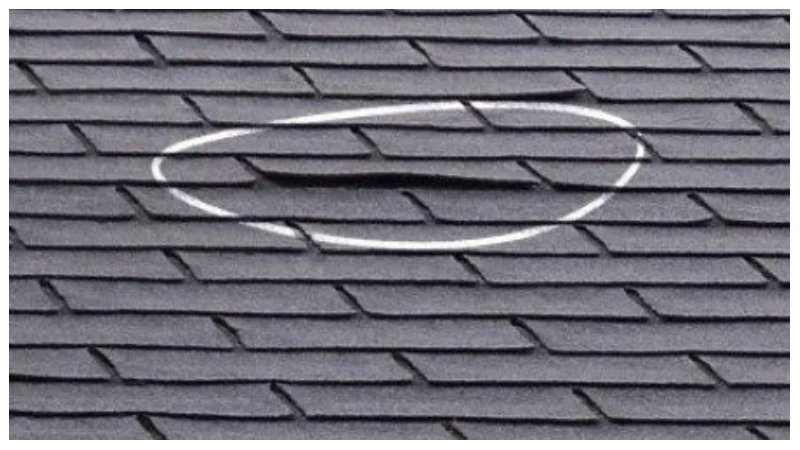
Cracked shingles weaken the shield that keeps moisture out. Sun exposure hardens the material, and cold weather makes it brittle. Curled edges lift away from the surface and allow water to slip underneath. This leads to stains inside the attic and can damage the decking below.
Homes in areas with strong temperature swings see these issues more frequently. A quick visual check after storms helps locate early cracks. Loose corners or raised edges call for prompt action. Repairs prevent small faults from spreading across large sections of the roof.
Granule Loss
Shingles have protective granules that guard the surface from sunlight and impact. When granules fall off and collect in gutters, the shingles lose their strength. Bald spots appear, and the shingle ages faster. This reduces roof life and raises the risk of leaks during heavy rain.
Signs of Granule Loss
- Patches that look smooth
- Dark streaks or shiny areas on shingles
- Excess granules near gutter outlets
These signs usually appear on older roofs, but strong winds can cause them on newer roofs as well. Many homeowners turn to asphalt shingle replacement and repair once granule loss becomes noticeable.
Loose or Missing Shingles
Missing shingles expose the underlayment directly to rain and snow. Wind gusts usually pull shingles loose when nails weaken or sealant fails. The gaps become entry points for moisture that spreads quickly through the roof structure. Even a few missing pieces can cause major problems during the next storm.
A simple checklist helps catch these issues fast:
• Look for open patches
• Check nearby lawns for fallen shingles
• Inspect roof edges for lifted corners
Flashing Damage
Flashing protects the joints around chimneys, skylights, and vents. When it bends, rusts, or pulls away, water reaches the areas that should stay sealed. These leaks stay unnoticed until stains appear inside the home. Flashing problems spread faster than many people expect because water follows hidden paths.
Technicians examine flashing during routine roof checks. A secure seal around all joints helps prevent long-term interior damage. Repairs at the right time strengthen the whole roofing system.
Professional Support Helps Resolve Hidden Shingle Issues
Many problems stay unnoticed until a trained eye examines the roof closely. Professionals detect soft spots, hidden leaks, and early wear that homeowners rarely see from the ground. Their evaluations identify weak shingles, poor seals, and moisture pockets that lead to future damage if left unchecked.
Skilled technicians remove buildup, clear trapped moisture, and restore secure placement across the surface. Homes in shaded areas or regions with heavier rainfall benefit the most from this support because moisture-related issues spread quietly. With timely professional care, the roof stays stronger, cleaner, and better prepared for seasonal weather. Click here for more information.
A strong roof stays dependable when common shingle issues are handled early. Cracks, granule loss, missing pieces, and flashing faults all point to conditions that reduce roof life. Quick checks and timely solutions protect the home from severe weather and keep repair costs lower. With steady care and professional support when needed, the roof stays stronger for many years and performs well through each season.