Window tinting represents a value-added service for fleet operators, automotive service providers, and businesses within the automotive customization sector. Window tinting helps alleviate conflicting demands for visibility and glare reduction, enhances driver comfort, and protects interiors and occupants from damaging UV radiation. For B2B operators, service provision entails a grasp of the technical know-how, legal compliance, and advanced solutions pertaining to front windshield protection. This piece investigates front window tinting to cover the techniques, materials used, and value to customers, advancing the long-term protection of vehicles with the industry leader, Clearpro.
The Importance of Front Window Tinting in Automotive Businesses
There are many reasons to consider professional front window tinting. It is a value-added service to customers and provides many benefits to vehicles in a fleet. For instance, comfort, safety, and protection of the vehicle interior are guaranteed.
- Driver Comfort and Safety: Window tinting enhances comfort and safety of the driver. It minimizes glare from the sun and oncoming headlights, which augments safety for long-haul drivers and fleet deliveries.
- Interior Protection: A means of front window tinting also protects the vehicle dashboard, upholstery, and electronic components from exposure to UV light. This protective approach also reduces maintenance and replacing costs.
- Energy Efficiency: Tinted windows limit the amount of heat that builds up in a vehicle, lessening the need for air conditioning and increasing fuel efficiency for fleet vehicles.
Window films should be of high quality to ensure that these advantages are realized regularly. When B2B companies are selecting materials for their clients, they should take into consideration the materials’ durability, warranty, and adherence to local tinting regulations. Click here for more information.
Types of Front Window Tinting Films
For front windshields, there are different kinds of tinting films to choose from. This is important for businesses that want to ensure they deliver quality, professional, and lasting results. The different kinds of front windshield films include:
- Dyed Films: Basic glare reduction and appealing looks are the advantages of these films. They are the cheapest option, but they offer the least heat rejection and UV protection.
- Metalized Films: They include tiny metal particles that help heat and UV rays get reflected. They are tougher than dyed films, but they can disrupt electronic signals of toll transponders, GPS, and other devices.
- Ceramic Films: They are the best option for heat rejection, UV protection, and clarity. They do not disrupt electronic devices, and they are a great option for commercial vehicles.
- Hybrid Films: They are made of dyed and metalized layers, and they provide a good compromise on cost, heat rejection, and aesthetic.
Due to their remarkable durability and reliability, more established companies prefer ceramic and hybrid films. To a certain extent, the selected film can also determine installation difficulty, upkeep, and the customer experience.
Expert Installation Methods
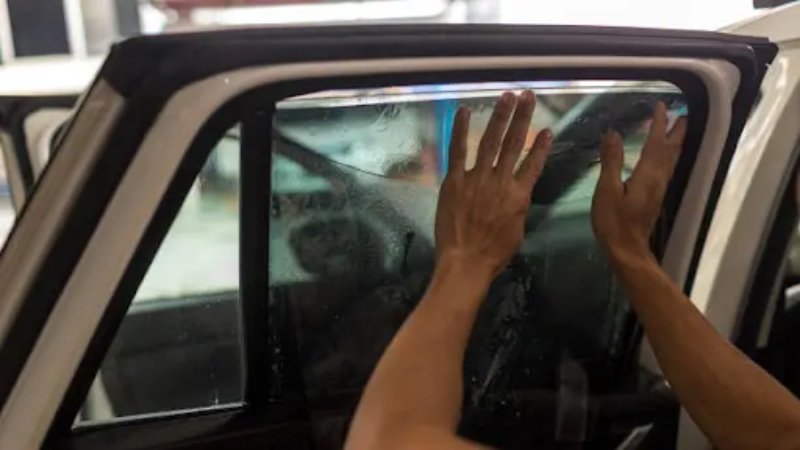
Proper installation contributes to the performance and durability of front window tint. Therefore, B2B service providers must make certain that their service providers undergo training to film, apply the film without air bubbles, and meticulously cut the edges.
- Surface Preparation: Windscreens must undergo cleaning to a degree that leaves no dirt, grease, and debris. Any remnants that are left can facilitate the formation of bubbles and result in a lack of adhesion.
- Precision Cutting: Templates and advanced cutting instruments ensure that films are tailored to the dimensions of the windscreen, inclusive of the curves and edges.
- Application Process: The film is applied using professional squeegees and heated guns. The glass surface must be thoroughly prepared. Any mistake, no matter how small, will lead to compromises in the film’s effectiveness and appearance.
- Curing Time: For a film to be durable, it must be allowed to settle adequately and bond. Depending on the type of film, the climate, and the design of the vehicle, the curing time will vary.
When companies invest in training and proper tools, they can achieve a quality finish that meets client expectations and minimizes rework. Firms that have expertise in installation techniques gain trust as best partners for commercial fleets and drawn automotive businesses.
Benefits of Adding Tinting and Protection
Beyond standard tinting, integrating protective films advance windshield safety and durability. Clearpro develops films for professional windshield protection. For B2B relationships,https://www.clearpro.com/ar/paint-protection-film/windshield-protection-film/ , in addition to front window tinting, presents benefits that include-
- Scratch and Chip Resistance: Repair costs decrease considerably as protective films decrease environmental wear and glass damage from small rocks and debris.
- Enhanced UV Protection: Up to 99% of harmful UV rays are blocked by high-quality films, thus preserving the interior and reducing long-term maintenance costs and exposure.
- Improved Safety: Protective films can hold shattered glass in place during a glass-in-impact event, reducing the risk of injury to the occupants of the vehicle.
- Seamless Integration: With standard tinting, Clearpro films maintain optical clarity and visual appeal.
For firms that service high-value fleets or luxury vehicles, offering complementary units with tinting and integrated protective solutions is a real marketing edge. It allows service providers to offer premium results that reduce long-term maintenance for their clients.
Maintenance and Regulatory Considerations for B2B Companies
Front windows that are protected and tinted require attention for operational and compliance reasons. Companies should inform their clients and staff on how to care for them and warn them about the legal bounds in their region:
- Cleaning: Scratch prevention and clarity are achieved by using soft cloths and non-abrasive cleaners. Ammonia-based products and films can cause damage, so professional-grade cleaners are recommended.
- Inspections: Damage, peeling, and bubbling should be looked for in regular inspections. The lifespan of tint and protective films are increased with preventive maintenance.
- Regulatory Compliance: B2B companies should ensure films are legally compliant in order to protect themselves from legal and punitive compliance risks in poorly regulated tinting and light transmission.
- Collaboration with Professionals: Reliable suppliers, like Clearpro, offer superior materials and technical assistance, which is invaluable and protective of warranty commitments to commercial customers.
Well designed compliance and maintenance procedures support the formation of an operational and professional automotive industry service reputation.
Tinting windows offers vehicles many advantages. It helps with protection and looks good too. For B2B clientele, offering professional tinting services alongside premium protective solutions such as Clearpro is a winning formula for sustained client trust and their vehicles’ longevity. Knowing about the different kinds of films, their installation complexities, and maintenance is crucial for providing quality service. It helps with compliance, protection of fleet vehicles, and the service provider.