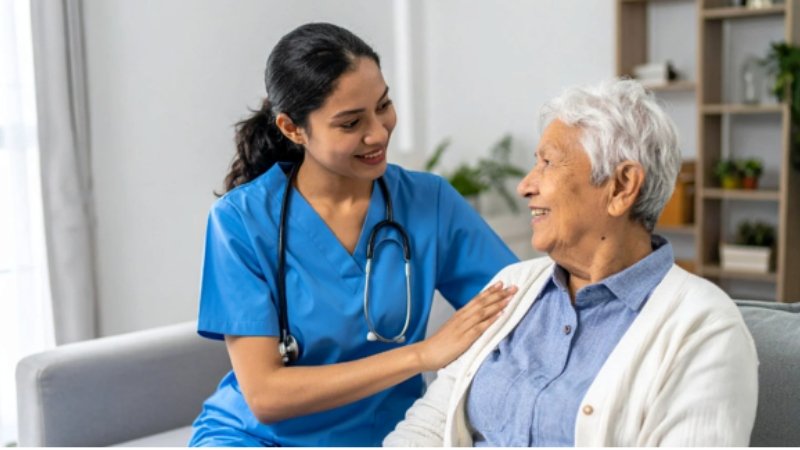
As life expectancy increases, the healthcare system faces growing demands from an aging population. Older adults often require specialized care, chronic disease management, and rehabilitation support that goes beyond standard medical training. To meet these evolving needs, educational institutions are revising their curricula to better prepare future nurses for the complexities of geriatric care. Through programs such as nursing classes in Piqua, students gain the skills necessary to deliver compassionate, efficient, and patient-centered care to seniors in diverse healthcare settings.
Shifting Focus Toward Geriatric Competence
The aging population presents a wide range of medical challenges, from managing multiple chronic conditions to addressing mobility limitations and cognitive impairments. To respond effectively, nursing education now emphasizes gerontology. Students learn to identify age-related health patterns, understand medication sensitivities in older patients, and develop treatment plans that prioritize safety and quality of life.
Training programs also focus on empathy-driven communication and family engagement, recognizing that effective senior care often involves collaboration with caregivers and support networks. By incorporating these elements, nursing programs ensure graduates can adapt to various healthcare environments, including hospitals, long-term care facilities, and home health services.
Integrating Interdisciplinary Learning
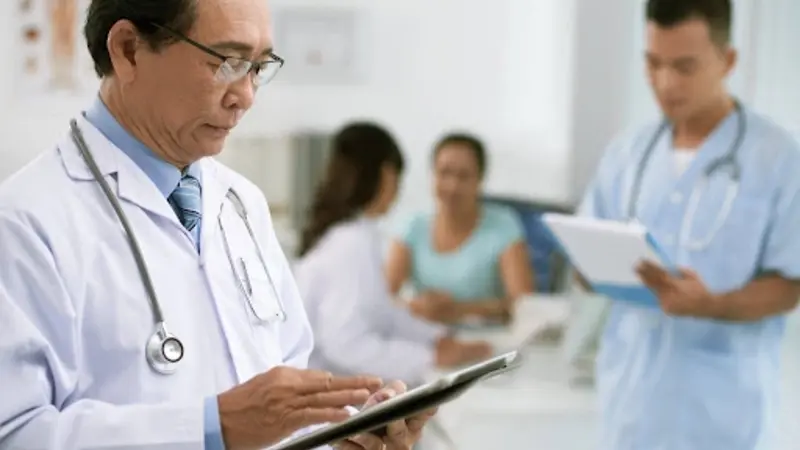
Healthcare for older adults requires seamless coordination among professionals from multiple disciplines. Nursing education reflects this reality through interdisciplinary collaboration exercises. Students engage in clinical scenarios with peers from related fields, including physical therapist assistant programs, to understand how teamwork improves patient outcomes.
This collaborative training reinforces communication, delegation, and coordination skills essential for managing complex geriatric cases. Nurses must often work alongside physical therapists, occupational therapists, and physicians to restore mobility, prevent injury, and promote long-term independence among elderly patients. Interdisciplinary education also exposes nursing students to different care perspectives, allowing them to adopt a holistic approach that addresses both the physical and emotional aspects of aging. This enhances their ability to create comprehensive care plans that improve patient well-being while optimizing healthcare efficiency.
Expanding Clinical Training Opportunities
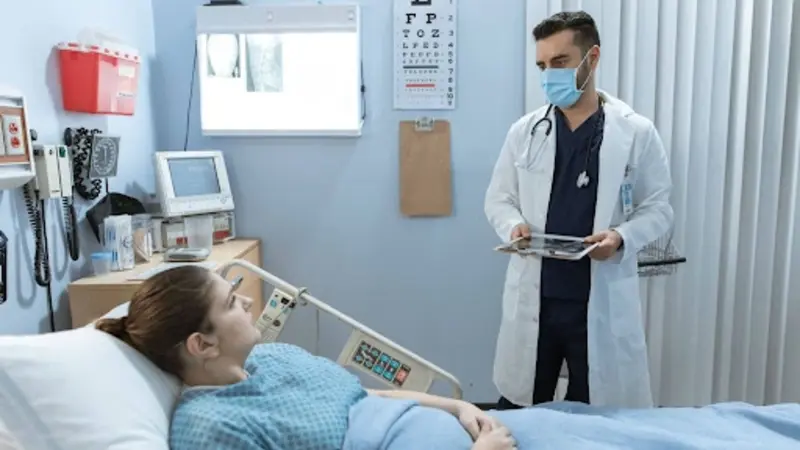
Nursing programs are evolving their clinical rotations to include real-world exposure to geriatric settings. Students gain practical experience in nursing homes, rehabilitation centers, and community-based facilities, where they encounter the diverse needs of older adults. This hands-on training helps bridge the gap between classroom theory and clinical application.
These experiences teach students how to manage medication regimens, assess fall risks, and apply evidence-based practices for chronic conditions such as arthritis, diabetes, and heart disease. They also learn techniques for supporting cognitive health in patients with dementia or Alzheimer’s disease, developing patience, adaptability, and situational awareness in challenging care scenarios. Instructors emphasize proactive care training students to detect early signs of health deterioration and intervene before complications arise. This preventive mindset is vital for reducing hospital readmissions and improving long-term patient outcomes.
Leveraging Technology for Geriatric Care
Modern nursing programs also integrate technological training to keep pace with advances in digital healthcare. Simulation labs and virtual patient models allow students to practice assessments and interventions in controlled environments. This approach not only builds confidence but also enhances precision in clinical decision-making.
Students learn to use digital health tools that are increasingly common in geriatric care, such as remote monitoring systems, electronic medical records, and assistive devices. Familiarity with these technologies ensures nurses can efficiently track patient progress, manage treatments, and maintain accurate documentation. Moreover, technology-based learning enhances accessibility for students, offering flexible training formats and interactive experiences that mirror real-world care situations.
Conclusion
The growing demand for geriatric care has prompted nursing education to evolve in both structure and substance. Through specialized coursework, interdisciplinary collaboration, expanded clinical experiences, and technological integration, nursing programs are equipping students to address the unique challenges of an aging society. These adaptations ensure that future nurses possess not only technical proficiency but also the compassion and leadership required to deliver high-quality care to older adults meeting the healthcare needs of today and tomorrow. Click here for more information.