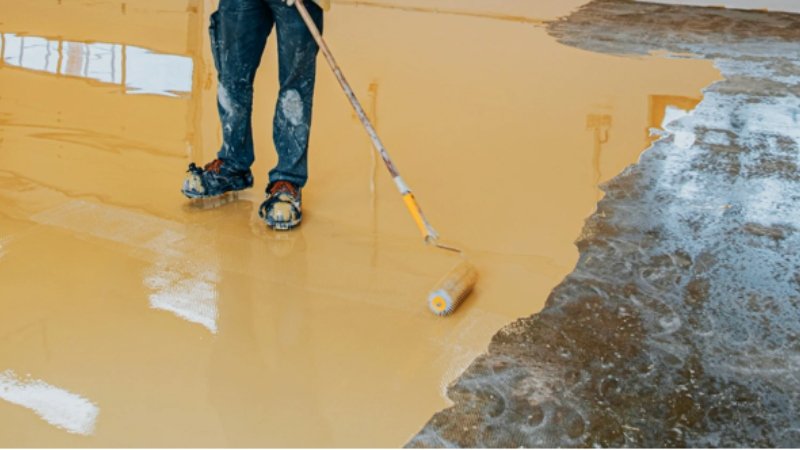
Concrete is one of the most durable construction materials, yet it is not immune to environmental wear and chemical degradation. Over time, even the most resilient protective coatings lose their integrity, leaving surfaces vulnerable to moisture intrusion, abrasion, and corrosion. Identifying the warning signs early allows property owners and facility managers to act before minor surface issues evolve into structural damage. Regular assessment of your concrete protective coating ensures your surfaces maintain both performance and longevity.
The Purpose of Concrete Protective Coatings
Protective coatings create a barrier between the concrete substrate and damaging elements such as water, salts, oil, and UV rays. In industrial, commercial, and outdoor environments, these coatings prevent cracks, discoloration, and chemical erosion. When properly maintained, they also enhance aesthetics, offering a clean and polished finish that supports easier cleaning and maintenance.
However, no coating lasts indefinitely. Exposure to harsh climates, heavy traffic, and chemical spills gradually erodes the surface layer, reducing its effectiveness. Recognizing when to recoat or upgrade is vital for ensuring long-term protection.
1. Fading or Discoloration
Discoloration is one of the first indicators that a coating is deteriorating. When the surface begins to fade, chalk, or lose its uniform color, it typically means UV exposure and oxidation have started breaking down the protective film. This loss of color is more than cosmetic; it signals a weakened barrier that may soon allow water or chemicals to penetrate.
A professional evaluation can confirm whether the coating requires a reapplication or a full upgrade to a UV-stable formulation that resists further fading.
2. Cracking, Peeling, or Flaking
If your coating begins to peel or crack, adhesion failure is occurring. This can result from trapped moisture, surface contamination during the original application, or simple aging of the material. Once cracks appear, the surface is no longer sealed, allowing contaminants to reach the substrate. Over time, this leads to structural deterioration and potential concrete spalling.
Renewal through reapplication or resurfacing ensures a watertight, chemically resistant seal and restores the integrity of the original barrier.
3. Uneven Texture or Gloss Loss
A dull or uneven texture indicates surface abrasion or erosion of the coating’s top layer. This often occurs in high-traffic areas where mechanical wear is consistent. Loss of gloss may seem like a minor concern, but it represents a breakdown of the coating’s smooth, protective finish, making the surface more susceptible to staining and chemical absorption.
Professionally refinishing the coating restores its original appearance and extends its service life, reducing the need for costly future repairs.
4. Increased Maintenance Demands
If cleaning has become more difficult or stains are appearing more frequently, it’s a sign that the coating’s performance is declining. Effective coatings repel contaminants and prevent absorption. Once this repellency fades, dirt, oil, and chemicals can embed in the surface, leading to long-term discoloration and weakening.
Upgrading to advanced specialty coatings for concrete, wood, and metal surfaces can improve resistance to impact, chemicals, and environmental wear, all while extending maintenance intervals and enhancing visual appeal.
5. Visible Damage or Moisture Penetration
The most critical warning sign is visible deterioration, such as blistering, exposed aggregate, or moisture seepage beneath the coating. These conditions require immediate attention to prevent further structural degradation. A professional assessment determines whether partial restoration or a complete recoating is necessary.
Conclusion
Concrete coatings are essential for preserving structural integrity, aesthetics, and safety. Over time, environmental exposure and daily wear naturally diminish their effectiveness. By identifying early indicators, discoloration, cracking, gloss loss, or moisture intrusion, property owners can intervene before costly damage occurs. Click here for more information.
Proactive renewal of your concrete protective coating not only restores its protective strength but also elevates surface performance for years to come. Choosing upgraded, high-performance formulations designed for durability and compatibility with modern substrates ensures lasting resilience, reduced maintenance, and superior protection against the elements.