Maintaining a comfortable indoor environment becomes much easier when your air conditioning system is consistently cared for, not just during repairs. A proactive approach can reduce the frequency of breakdowns, increase efficiency, and support steady performance during peak seasons.
Many homeowners wait until something goes wrong before paying attention to their system, but small habits practiced throughout the year can make a noticeable difference in the system’s longevity and functionality. We will explore how simple routines can lessen strain. on your cooling unit and help you maintain a dependable indoor climate. By understanding what actions matter most, you gain more control over your system’s condition and can prevent many issues that would otherwise lead to inconvenient repair needs.
Preventative Practices That Support Smooth AC Performance
Change or Clean Your Air Filters Regularly
One of the most valuable steps you can take between air conditioning repairs is keeping your air filters clean. Filters clogged with dust, pollen, and debris restrict airflow. forcing the system to work harder while providing less comfortable results. This additional strain can reduce efficiency and increase the likelihood of components wearing out more quickly.
When filters are replaced or cleaned on schedule. your AC operates with significantly less resistance, resulting in steadier airflow. enhanced indoor air quality, and smoother system performance. A clean filter also supports lower energy consumption. allowing your system to cool your home more effectively without unnecessary pressure.
Keep the Outdoor Unit Clean and Free from Obstruction
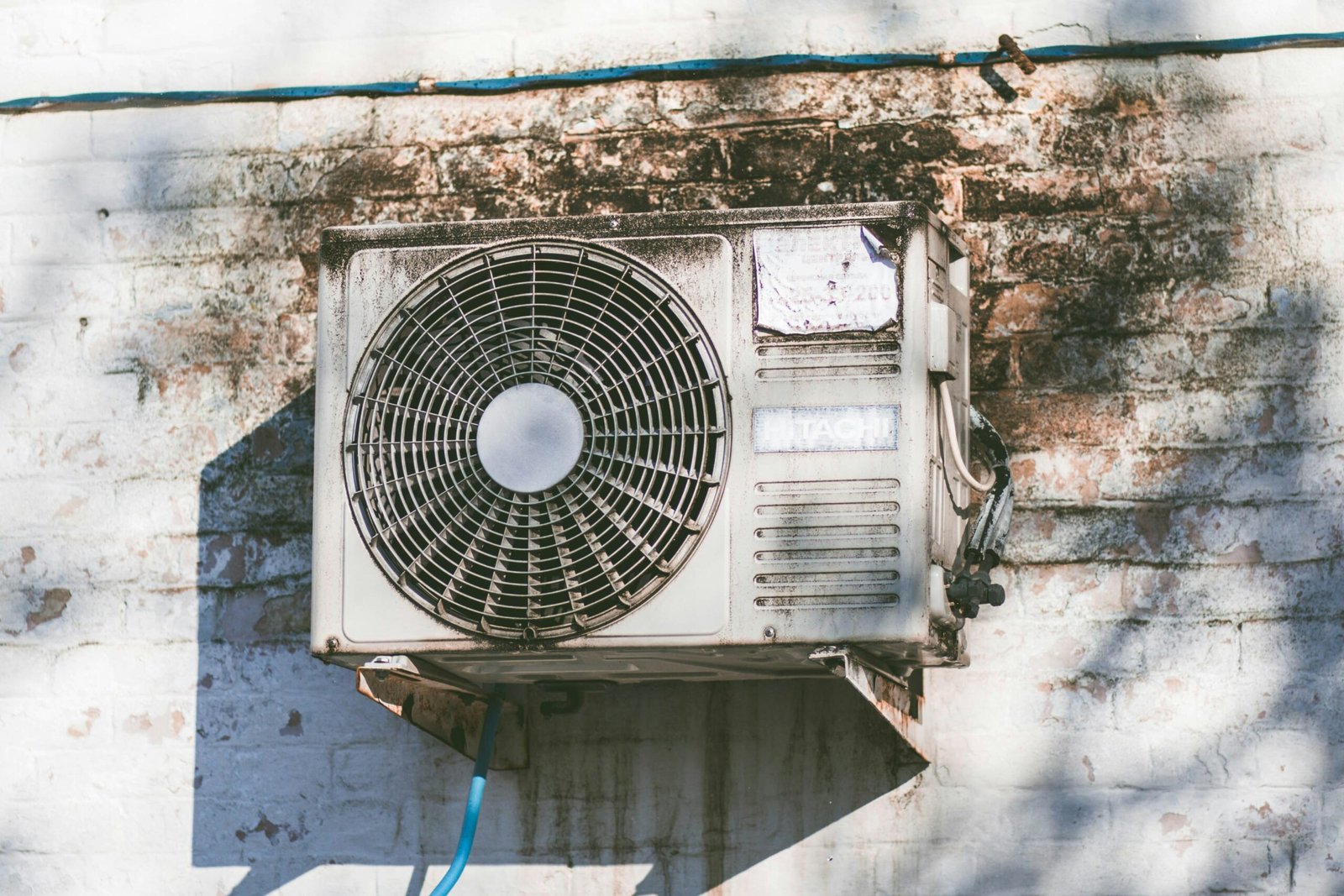
Your outdoor condenser plays a major role in releasing heat from your indoor space. so giving it proper attention is essential. Dirt, grass clippings, leaves, and other debris can easily gather around the unit, blocking airflow and causing the system to overheat. When airflow is restricted, your air conditioning system cannot operate efficiently. avoided. By regularly clearing the area around the condenser and gently rinsing the fins with low-pressure water, you allow the outdoor unit to breathe and function as designed. Keeping plants trimmed and ensuring at least two feet of space around the equipment provides your system with the necessary ventilation. This simple habit can dramatically reduce stress on the unit and support consistent cooling throughout the year.
Monitor Unusual Noises, Odors, or Performance Changes
Small changes in how your system sounds or smells can indicate underlying issues that may worsen if ignored. A humming sound, rattling, inconsistent cycling, or unexpected odors may signal worn-out parts, electrical concerns, blocked ducts, or mold growth. While it may be tempting to assume the system will correct itself, early attention is often the key to preventing more substantial problems.
Regularly observing your system’s behavior allows you to identify changes before they develop into costly repairs. Even something as simple as reduced airflow or uneven cooling across different rooms can reveal early signs of inefficiency. By keeping track of how your AC typically operates, you are more prepared to act quickly when something feels off. This awareness empowers you to address concerns promptly and maintain a steady indoor climate without experiencing major disruptions.
Use Programmable Thermostats to Reduce Unnecessary Strain
Using a programmable or smart thermostat helps reduce the workload on your air conditioning unit. A programmable thermostat enables you to create customized cooling schedules that align with your lifestyle.
ensuring your AC operates efficiently when needed and conserves energy when your home is unoccupied. This reduces overuse, conserves energy, and minimizes the chance of components wearing out prematurely. Adjusting settings by just a few degrees during sleeping hours or work hours can lead to noticeable improvements in both comfort and system durability. Many homeowners underestimate the influence thermostat habits have on AC performance, but consistent and thoughtful temperature regulation is one of the simplest ways to protect your equipment between repairs.
Maintain Proper Ventilation and Keep Indoor Airflow Unobstructed
Proper airflow within your home plays a crucial role in the efficiency and performance of your air conditioning system. Blocking vents with furniture, rugs. or storage items may cause uneven cooling and force the system to compensate by working harder. Cleaning vents and registers regularly, ensuring they remain open, and keeping interior doors partially open support healthy circulation.
Additionally. using ceiling fans can help distribute cool air more evenly, reducing the burden on your AC. Another important factor is controlling indoor humidity—excess humidity forces your system to remove more moisture. putting strain on its internal components. A dehumidifier, particularly during humid months. can help alleviate this demand and create a more comfortable environment. When ventilation is prioritized, your AC maintains balance more easily, and its workload stays within reasonable limits, extending its lifespan.
Proactive care enables your air conditioning system to serve your household reliably. reducing the need for frequent repairs and maintenance. Simple habits, such as keeping filters clean, maintaining the outdoor unit, monitoring for unusual signs, using smart temperature control, and promoting healthy airflow. make a meaningful difference in both performance and lifespan. By incorporating these practices into your household routine, you can enjoy steady cooling, improved efficiency, and fewer unexpected issues. With consistent attention. your AC can continue operating smoothly between professional services, giving you peace of mind during every cooling season.