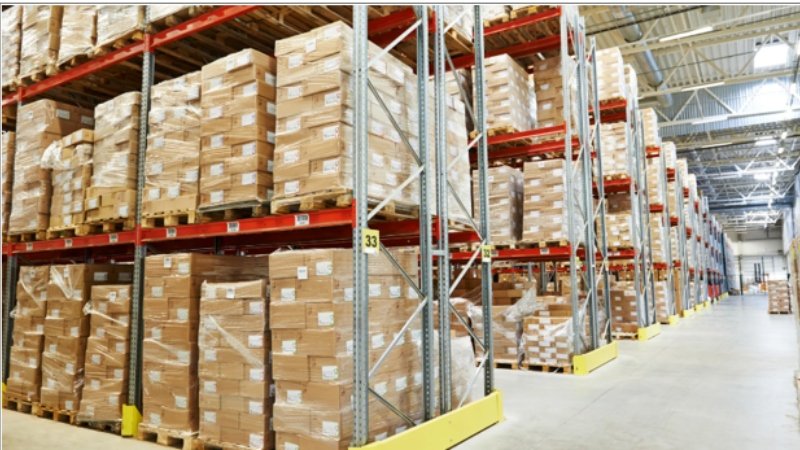
Modern manufacturing thrives on precision, efficiency, and timing. In a global marketplace where supply chain disruptions can derail production, industrial warehousing has become a cornerstone of operational success. For companies implementing industrial warehousing within their Just-In-Time (JIT) manufacturing systems, the goal is simple: to maintain seamless material flow, minimize waste, and synchronize every component of production. Warehousing is no longer a passive storage function; it’s a strategic element that drives real-time manufacturing continuity and cost efficiency.
Understanding Just-In-Time Manufacturing
Just-In-Time manufacturing revolves around eliminating inefficiencies in production by receiving goods only when they are needed, rather than stockpiling inventory. The philosophy emphasizes lean operations, reduced lead times, and improved cash flow management.
However, the success of this model depends heavily on reliable warehousing and logistics infrastructure. Without precise coordination, any delay or stock discrepancy can bring the entire production line to a halt.
Industrial warehouses play a critical role in balancing the delicate equation of supply and demand. By positioning materials close to production facilities and integrating advanced tracking systems, they enable manufacturers to maintain consistent throughput without excessive inventory.
The Strategic Function of Industrial Warehousing
In a JIT framework, warehouses serve as dynamic hubs rather than static storage facilities. Their design and operation are optimized to ensure real-time accessibility, rapid order picking, and synchronized replenishment.
Automated inventory management systems, barcode scanners, and digital dashboards provide visibility into material availability and movement, allowing production teams to make instant, data-backed decisions.
Moreover, industrial warehousing supports vendor-managed inventory (VMI) systems, enabling suppliers to track stock levels and replenish automatically before shortages occur. This proactive approach mitigates downtime risks and strengthens supply chain resilience.
Enhancing Supply Chain Synchronization
A major challenge in Just-In-Time systems is aligning supplier schedules with production cycles. Warehouses serve as the operational buffer, bridging the timing gap between material procurement and manufacturing needs.
Through optimized inbound and outbound logistics coordination, warehouses ensure that materials arrive precisely when required. This efficiency prevents overstocking and reduces storage costs while keeping production uninterrupted. By integrating professional quality inspections in warehousing and logistics protocols, businesses can maintain the integrity of materials and avoid costly rejections or reworks during assembly.
Advanced industrial warehouses often integrate AI-driven forecasting tools to predict material demand fluctuations, ensuring adaptability to changing market or production conditions. This data intelligence enhances flexibility, an essential quality in any JIT-driven ecosystem.
Sustainability and Space Optimization
Sustainability is no longer optional in modern manufacturing; it’s a core operational objective. Industrial warehouses contribute to this goal by optimizing space, reducing energy consumption, and minimizing waste through efficient inventory turnover. Their layout and automation systems are designed to facilitate faster material handling, thereby reducing idle time and energy use.
Additionally, well-structured warehousing supports circular logistics practices, such as the reuse and recycling of packaging materials, aligning manufacturing operations with broader corporate sustainability commitments. The outcome is a leaner, greener, and more cost-efficient production pipeline.
Conclusion
The success of Just-In-Time manufacturing depends on precision, predictability, and performance, and industrial warehousing sits at the intersection of all three. Far from being a simple storage solution, it functions as the operational heartbeat of modern production, synchronizing supply with real-time demand. Click here for more information.
Strategic warehousing ensures materials flow seamlessly through every phase of manufacturing, reducing lead times, enhancing visibility, and preventing bottlenecks. The integration of automation, digital tracking, and advanced inspection processes provides a safety net that keeps JIT systems agile and reliable.